Africa’s Financial Leaders Rally to End $5B Currency Drain, Supercharge Local Trade
Nov 26, 2026
Save
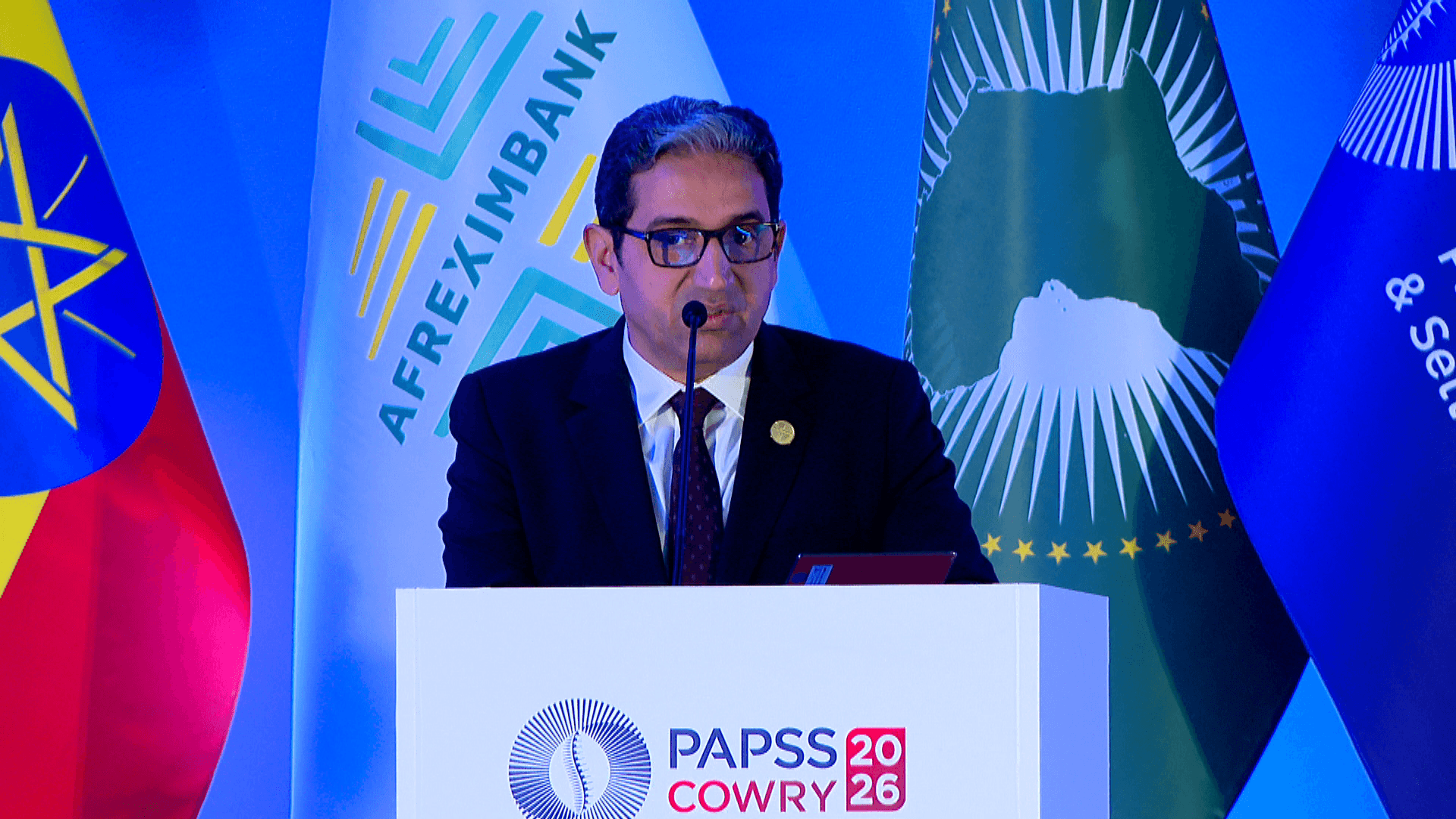
Central bank governors, commercial lenders, fintech innovators, and trade leaders convened in Addis Ababa today for the opening of PAPSS COWRY 2026, the second edition of Africa’s premier payments conference.
Co-hosted by the Government of Ethiopia, the National Bank of Ethiopia (NBE), Afreximbank, and the Pan-African Payment and Settlement System (PAPSS), the two-day summit focuses on moving Africa’s cross-border payment infrastructure from network construction to mass everyday adoption. The goal is to enable seamless local-currency trade while connecting regional payment rails to the global financial system.
Recommended News
Inside Ethiopia’s High-Stakes Push to Join the WTO
Addressing delegates, Afreximbank Executive Vice President Haytham ElMaayergi stressed the urgency of removing financial friction across borders. While intra-African trade grew by 5.5 percent in 2025 to reach $213.8 billion, it still accounts for just 14 percent of total continental trade.
"Today, Africa still loses more than $5 billion every year settling its own trade in currencies that are not its own," ElMaayergi said.
African Continental Free Trade Area (AfCFTA) Secretary-General Wamkele Mene emphasized that pairing single-market rules with instant, interoperable local-currency settlements eliminate reliance on costly foreign correspondent banks and empowers small businesses.
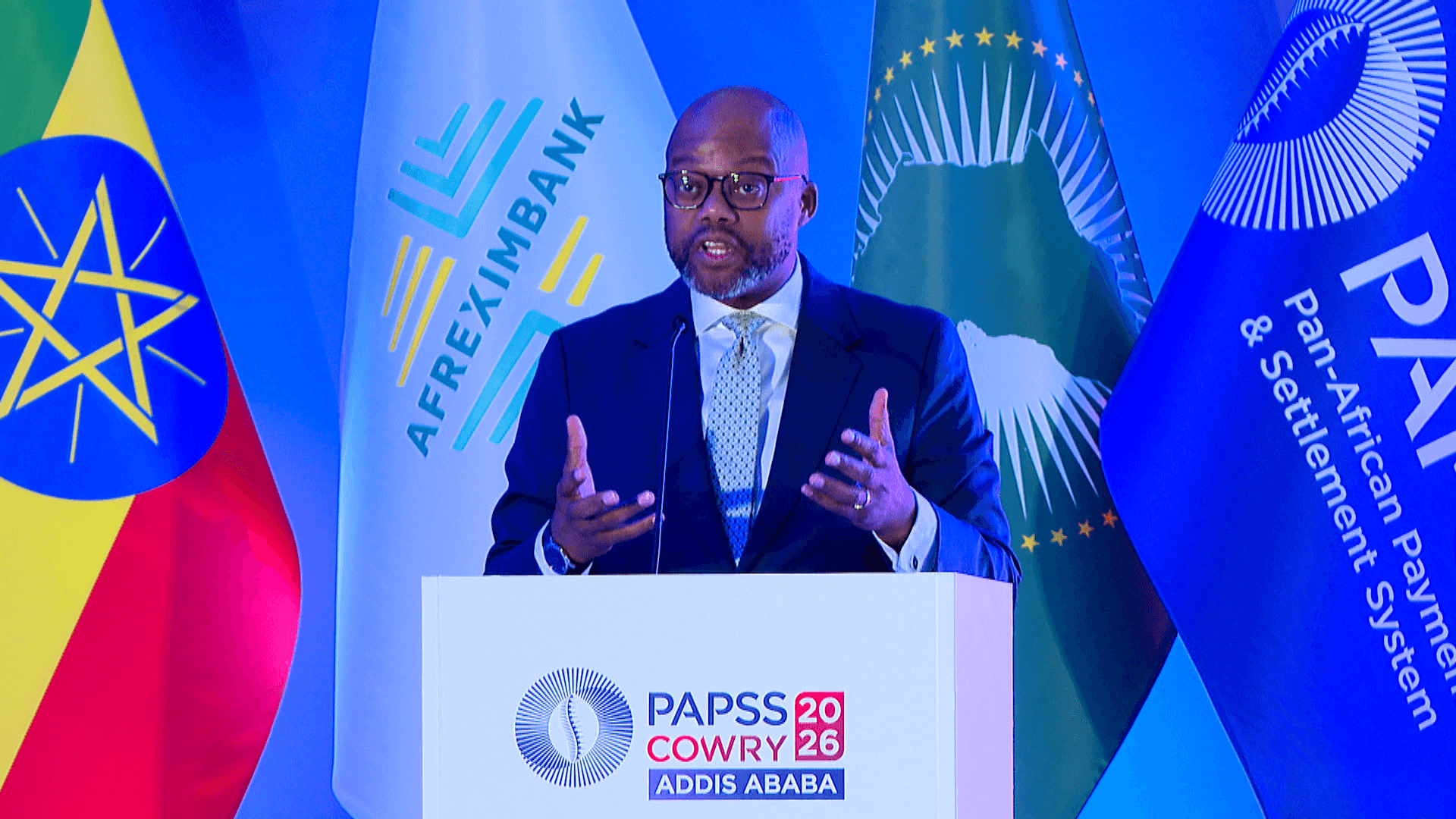
Mene also commended host nation Ethiopia’s recent entry into PAPSS alongside its broader macroeconomic reforms, calling the move a major catalyst for regional integration.
Following Ethiopia’s accession to PAPSS in October 2026, the network now connects 31 African countries, 24 central banks, more than 200 commercial banks and fintechs, and 17 payment switches.
PAPSS transaction volumes have surged by 1,000 percent over the past year, cutting user costs by up to 95 percent and reducing foreign exchange requirements by 80 percent.
Building on this momentum, delegates are prioritizing direct fintech participation, mainstream digital banking integration, and regional interoperability to finalize central bank approvals and open new currency corridors.
Ultimately, the discussions in Addis Ababa mark a pivotal shift in African trade finance—moving policymakers closer to turning seamless, low-cost intra-African trade into an everyday reality for businesses across the continent.