Nov 24, 2025
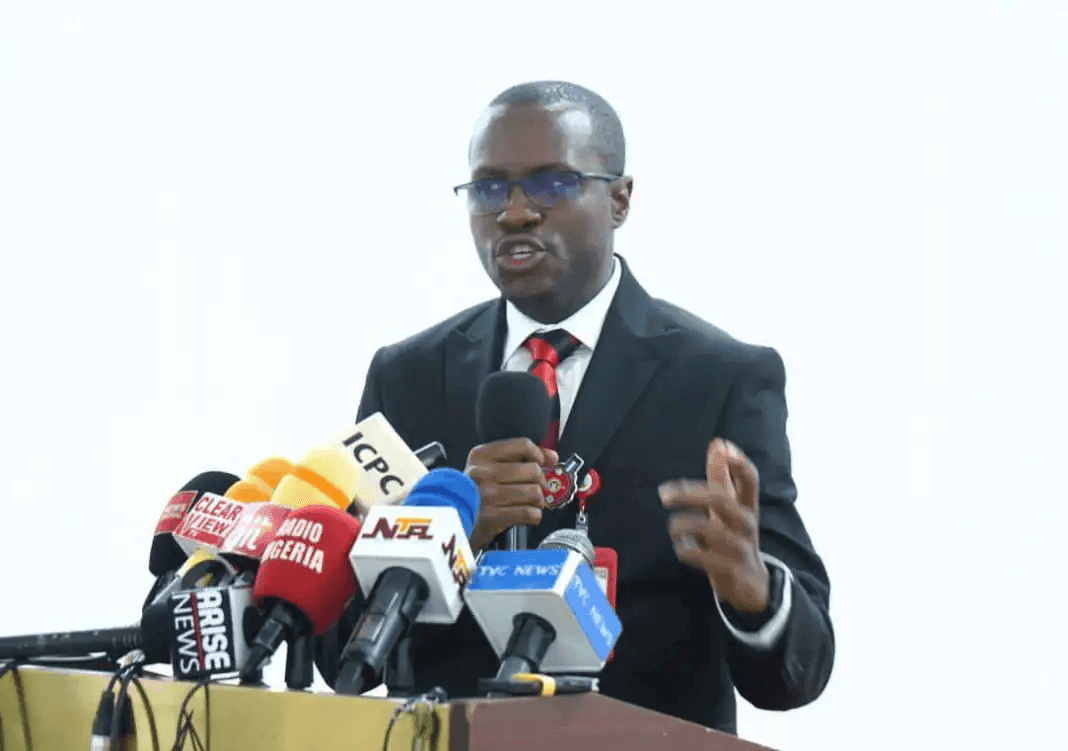
Africa loses over $50 billion annually to illicit financial flows, undermining development and crippling public services, Chairman of Nigeria’s Independent Corrupt Practices and Other Related Offences Commission (ICPC), Dr Musa Aliyu revealed.
Speaking at the Realnews Magazine 13th Anniversary Lecture Series in Lagos with the theme: ‘Cybersecurity, Illicit Financial Flow and Agenda 2063 in Africa’ the ICPC boss, who is also a Senior Advocate of Nigeria (SAN) described the persistent outflow of illegal funds as one of the most devastating drains on Africa’s development capacity, noting that the lost resources could have been used to build schools, hospitals, roads and other critical infrastructure.
He said that illicit financial flows whether through tax evasion, corruption, illegal mining, wildlife trafficking, money laundering or cyber-enabled crimes had become a silent crisis that threatened African nations’ sovereignty and the future of their youth.
Aliyu disclosed that investigations by the ICPC had uncovered cases where multinational companies manipulated trade figures and inflate costs to avoid paying taxes, according to a news report by the African Press Agency.
He cited one major company found to have exaggerated expenses to reduce taxable profits, saying the amount lost would have been enough to construct a world-class hospital in Nigeria.
“These practices deny African governments the resources they need to function.
“Trade mispricing, profit shifting, and tax evasion remain some of the biggest contributors to financial leakages, “ he said.
The ICPC boss also lamented the role of government officials, who diverted public funds using multiple bank accounts, sometimes with the connivance of financial institutions.
He said suspicious transactions moving from government accounts into private hands were often ignored by banks that failed to file mandatory reports.
Aliyu warned that Africa’s rapid digital adoption, with mobile-money usage over 50 per cent in several countries, had increased cybercrime risks, as criminals exploited weak cyber security systems.
“Cyber criminals are becoming more sophisticated. Ransomware attacks, cryptocurrency-based laundering, and mobile-money fraud are growing threats,” he said.
He added that criminal networks, often possessed more advanced technology and resources than enforcement agencies, making digital crimes harder to combat and track, especially once illicit funds left African jurisdictions.
Aliyu also called for harmonised cyber laws across Africa, stronger asset recovery mechanisms, more robust digital infrastructure, training for law enforcement, and full implementation of the Malabo Convention on cyber security and Data Protection.
He emphasised the need for African countries to speak with one voice in demanding the return of stolen assets and looted cultural artifacts held abroad.
The chairman said that unless the continent strengthened financial oversight, improved cyber security, and tackled corruption with collective resolve, illicit financial flows would continue to undermine growth and derail Africa’s Agenda 2063 aspirations.
“We must secure our financial systems and protect our digital space. Only then can Africa realise its full potential,” local media reports quoted Aliyu as Saying.
In her remarks, the chairman of the occasion, and former Chief Judge of Lagos State, Justice Ayotunde Philips, urged African governments and the private sector to take urgent action on the continent’s development agenda and cyber security challenges.
Philips, who was also the former chairman of Lagos State Independent Electoral Commission, stressed that Africa must seriously follow through on its strategic plans to achieve the Sustainable Development Goals.
“We should not joke with this, progress requires commitment from both government and the private actors,” she said.
Philips highlighted the growing threats in financial transactions and cyber security across the continent, noting that the transfer of funds out of Africa remained a critical issue that must be addressed, and urged leaders to implement actionable measures to protect the continent’s digital and economic resources.
She stated that Africa has the capacity to stand strong but success depends on dedication and consistent follow-through on planned agendas.