Nov 29, 2025

UNESCO’s Representative to Ethiopia, Dr. Rita Bissoonauth, has underscored the critical role of diplomatic engagement in preserving and promoting Ethiopia's vast cultural wealth, following a visit to the ancient walled city of Harar Jugol.
Over 35 diplomats of various countries based in Addis Ababa visited the ancient walled city of Harar Jugol in a landmark initiative to showcase Ethiopia’s rich cultural heritage and promote tourism.
Organized in partnership with the Ethiopian Ministry of Tourism, the visit aimed to emphasize the importance of diplomatic engagement in preserving and promoting the country’s UNESCO World Heritage sites.
UNESCO’s Representative highlighted Ethiopia’s unparalleled record, noting that the country boasts the highest number of tangible UNESCO World Heritage sites in Africa, with thirteen, alongside six intangible sites.
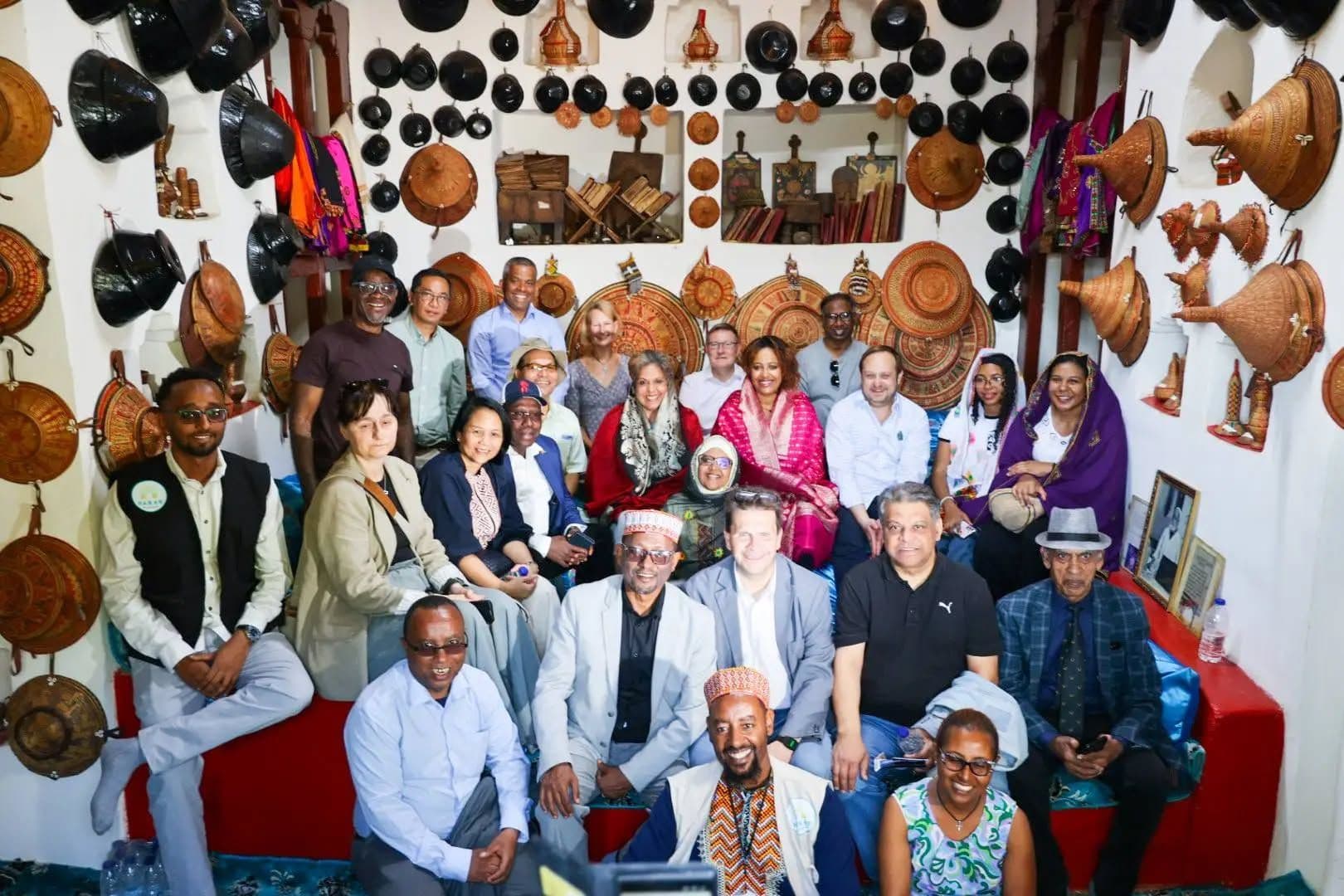
“When you become a UNESCO World Heritage Site, it is a universal value. That means that you don't have it anywhere in the world. It is the most beautiful. So we need to showcase,” she said.
The diplomatic tour serves both as a boost to tourism and as an assurance that Ethiopia’s heritage sites are safe for international visitors. Beyond global recognition, Dr. Bissoonauth stressed the direct link between heritage preservation, local prosperity, and job creation, noting that leveraging the global prestige of these sites brings tangible benefits to the communities that live within them.
.jpg&w=3840&q=75)
The fundamental purpose of the visits is to bring the diplomatic community to the different UNESCO sites, she explained, and added that Ethiopia boasts an impressive record, holding the highest number of tangible UNESCO World Heritage Sites in Africa—thirteen—along with six intangible sites.
The diplomatic tour acts as both a touristic promotion and an affirmation that these sites are safe and worthy of international attention. The last such trip was to the Bale National Park.
The direct link between heritage preservation, tourism, and local prosperity through job creation, Dr. Bissoonauth highlighted, and emphasized that the presence of the diplomatic community demonstrates that the locations are safe to visit, thereby enhancing tourism.
Moreover, she noted that Ethiopia holds the highest number of tangible UNESCO World Heritage Sites in Africa, numbering thirteen, alongside six intangible sites.
She underscored the significance of this status, stating that when a site achieves World Heritage designation, it possesses a universal value, meaning it is unique and unparalleled globally, and must therefore be showcased and protected.
In essence, the UNESCO strategy is to leverage the sites’ global prestige to deliver tangible economic benefits right down to the community level, ensuring that the preservation of world heritage actively supports those who live within it.