Dec 8, 2025
By Mahder Nesibu
On the move to diversify its partnerships, Africa has been experiencing a significant shift in its international relations in recent decades, resulting in the increasing presence of Asian countries across the continent. Over the last twenty years, Asian economies have boosted trade, investment, and technical cooperation. Africa needed to extricate itself from the patronizing influences that much of its past relations with the West had imbued.
According to records, over the past two decades, Asia's engagement in Africa has surged, shifting from aid to significant trade, investment, and infrastructure development, led primarily by China and India but increasingly involving Japan, South Korea, and Southeast Asian nations like Malaysia and Singapore, focusing heavily on raw materials (oil, minerals) for Asian industry and transforming Africa into a key economic partner, moving beyond traditional Western ties. This partnership, marked by Asian non-interference policies that evidently contrast Western ideals, brought opportunities.
Asia's engagement in Africa is substantial, with China dominating trade (over $200 billion) and investment, primarily focused on resources (such as oil and minerals) and infrastructure. At the same time, India and Singapore also show significant flows, with total India-Africa trade nearing $200 billion and Singaporean investment exceeding $20 billion, shifting towards tech and logistics. Still, overall African exports to Asia remain resource-heavy, while Asia sends manufactured goods and capital. There is a growing call across Africa for the need to speed up the process of industrialization on the continent, enabling the export of processed or semi-processed goods. In this regard, value addition is taking center stage in national, regional, and continent-wide debates and discussions among policymakers, legislative organs, academia, businesspeople, and other stakeholders.
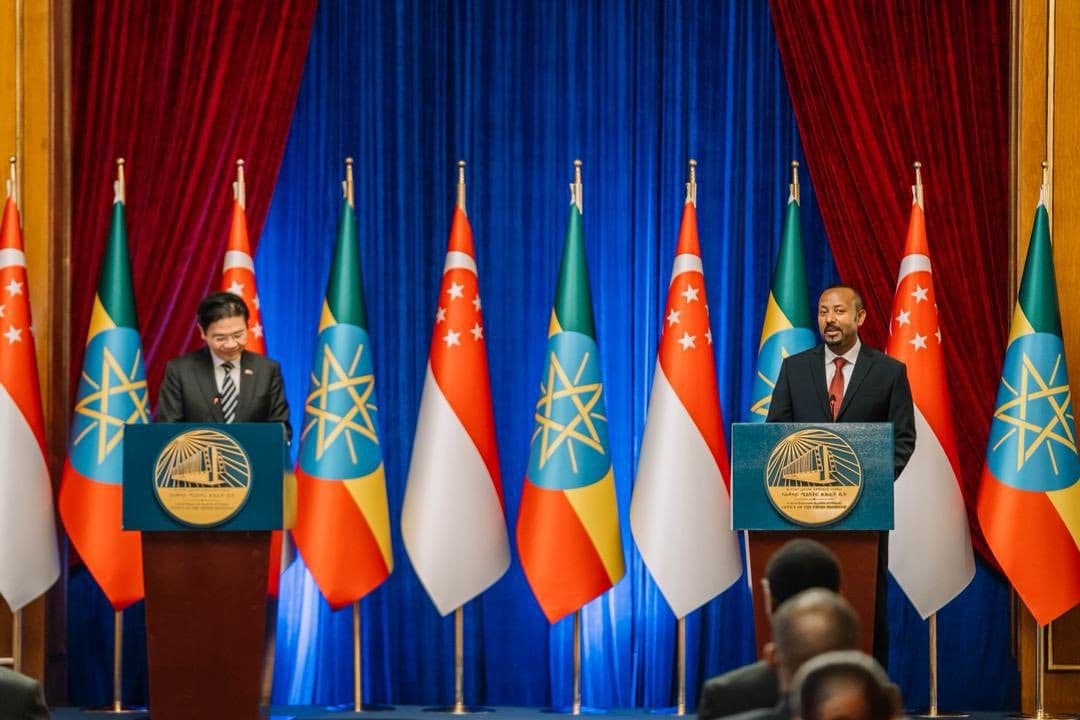
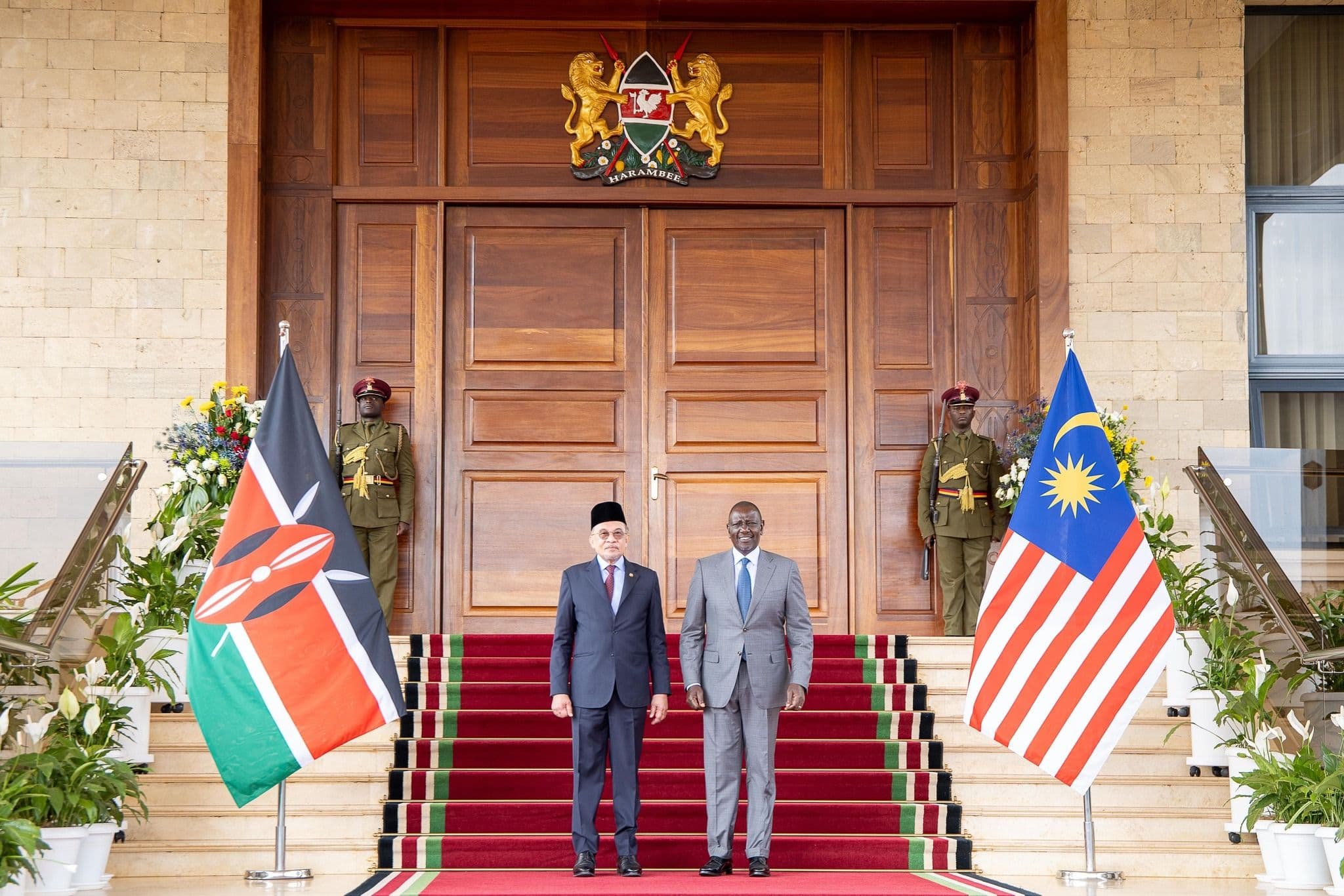
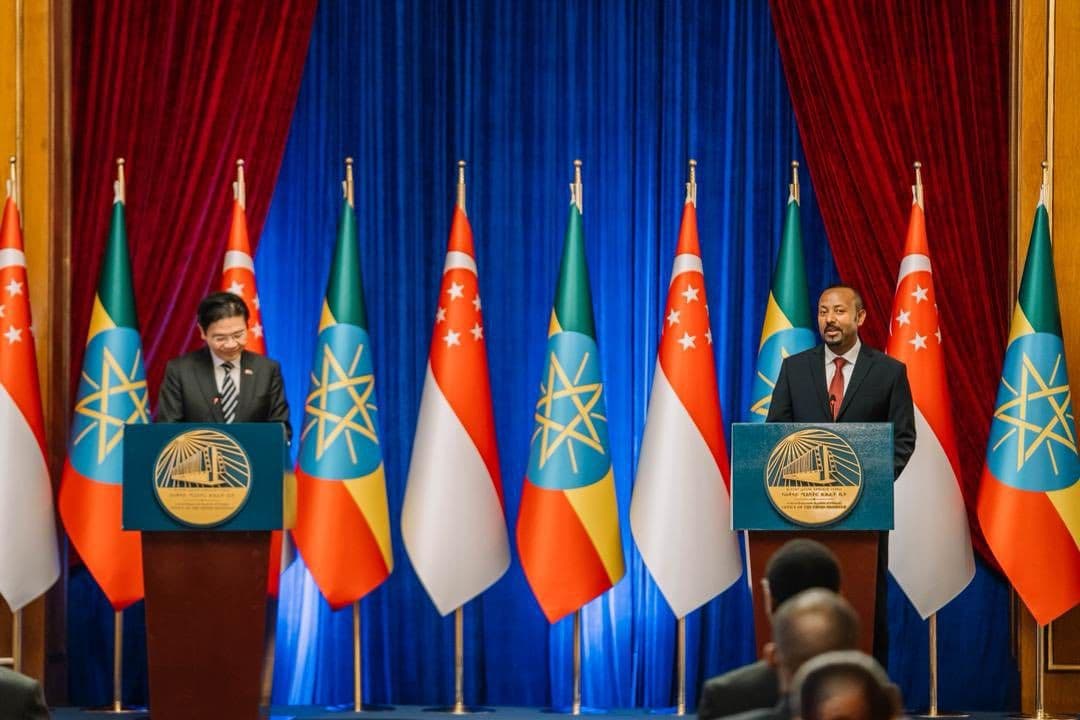
In terms of attracting trade and investment into the continent, practical measures are being taken in the diplomatic arena. Recent visits by prime ministers from Malaysia and Singapore to Ethiopia, alongside Malaysia’s engagement with Kenya, underscore the strategic significance African economies now hold for Asian actors. For African states, these engagements offer the possibility of leveraging external resources and expertise to accelerate structural transformation, enhance economic sovereignty, and position the continent as a co-architect of global shifts rather than a passive recipient of investment.
The principles of South-South cooperation provide the conceptual lens through which these emerging relationships can be understood. Unlike traditional North-South interactions, which historically positioned African countries as recipients of aid or as underdogs within Western-led financial systems, South-South cooperation emphasizes partnership, mutual benefit, and co-creation of development solutions. Africa and Asia share a long history of interaction, encompassing trade, migration, and cultural exchange over centuries.
The modern intensification of these engagements represents a significant departure from twentieth-century patterns, particularly during the Cold War, when Africa’s links to Asia were mediated through Western or ideological intermediaries. Direct engagement now allows African states to participate in trade, investment, and technological exchanges on their own terms, strengthening domestic capacities and asserting sovereignty in global economic affairs.
Economic complementarities underpin the strategic significance of Africa-Asia cooperation. African economies offer a combination of abundant natural resources, expanding markets, and a growing demographic dividend. Asian economies bring industrial capacity, technological expertise, and investment capital. By aligning these strengths, Africa can develop infrastructure, foster industrialization, and cultivate local knowledge economies, positioning itself as a credible hub of economic dynamism. The direct engagement between the two continents also opens opportunities to challenge the dominance of Western-led Bretton Woods institutions, allowing African states to negotiate trade agreements, financing arrangements, and development projects from positions of strength.
China occupies a central role in this emerging landscape, combining economic weight with political and strategic influence. Through initiatives such as the Belt and Road Initiative, China has expanded its infrastructural and investment presence across Africa. Beyond visible infrastructure projects, Chinese engagement is embedded in broader multilateral frameworks, reflecting a vision of global governance that complements economic expansion with institutional influence. The establishment of the International Organisation for Mediation, with founding members including Ethiopia and other African states, illustrates this model of alternative multilateralism (a.k.a. plurilateral cooperation). By participating in such frameworks, African countries gain platforms to assert their interests within evolving global institutions, reflecting a South-South approach that integrates economic, political, and diplomatic dimensions.
India offers a complementary engagement model that emphasizes technical cooperation, capacity building, and skills transfer. Indian partnerships concentrate on sectors such as information technology, pharmaceuticals, renewable energy, and urban infrastructure, where expertise can be directly applied to local development needs. For African countries, India’s approach boosts domestic productivity, encourages participation in global value chains, and promotes industrial and institutional capacity. This model supports the principle of agency, allowing African governments to tailor external expertise to their development strategies while developing a skilled workforce capable of sustaining long-term growth.
Japan offers a unique model of engagement, combining decades of investment with a reputation for technical skill and low-pressure diplomacy. Since the creation of the Tokyo International Conference on African Development (TICAD) in 1993, Japan has built partnerships that focus on infrastructure, education, health, and industrial growth. Its approach is widely recognized for emphasizing capacity building, local involvement, and technical support. Unlike engagements driven by historical or political leverage, Japan’s partnerships are seen as cooperative and non-exploitative, allowing African governments to set development priorities while benefiting from long-term expertise. The Japanese model shows the potential for sustained, mutually beneficial cooperation that enhances institutions, promotes industrialization, and develops human capital.
Emerging Asian economies like Singapore and Malaysia exemplify the next stage of diverse engagement. Singapore’s recent visit to Addis Ababa highlighted the transfer of institutional knowledge, technical expertise, and lessons from its own development experience. The Singapore model provides African nations with a framework for integrating governance, planning, and industrialization, offering concrete strategies for economic transformation. Malaysia’s involvement with the African Union and Kenya reflects a growing willingness among mid-sized Asian economies to make strategic investments in African markets, recognizing the continent’s potential as both an economic partner and a hub for knowledge exchange. Together, these engagements broaden the range of models available to African countries, allowing them to tailor different approaches to their specific contexts and development goals.
The cumulative effect of these engagements is the development of a diverse platform for African agency. By involving multiple Asian partners, African nations increase their negotiating strength, promote competitive investment environments, and incorporate foreign expertise into their domestic development plans. This diversification boosts geopolitical independence and lessens reliance on any single external actor, while also creating opportunities for structural change in infrastructure, industry, and knowledge economies. African leadership in this context relies on the ability to turn engagement into domestic capacity by leveraging external resources to build industries, train skilled workers, and establish resilient institutions.
While these opportunities are significant, African states must navigate inherent limitations. Large-scale infrastructure projects, financial commitments, and industrial partnerships can create dependence and raise concerns about debt sustainability and policy influence. The capacity and scale of Asian actors vary, leading to potential asymmetries in partnerships. For instance, China’s investment approach combines trade, industrial, and financial aspects, extending influence across key sectors, while Japan, India, and Singapore provide models that focus on technical cooperation and governance expertise. Maximizing benefits requires careful planning to ensure that engagement builds local capacity, maintains autonomy, and aligns with long-term continental goals such as those outlined in the African Union’s Agenda 2063.
Institutional development and governance are key to turning engagement into sustainable growth. Countries that enhance regulatory frameworks, technical skills, and industrial policies can better integrate foreign investment into national development strategies. Platforms like BRICS, which includes African members such as Ethiopia, Egypt, and South Africa, show how African nations can actively shape the global economic system. By asserting influence within these multilateral organizations, African governments protect their sovereignty while gaining access to financing, trade opportunities, and knowledge sharing that boost domestic capabilities.
Historical connections strengthen the current Africa-Asia cooperation framework. Centuries of trade, cultural exchange, and migration have built lasting networks that promote trust, technical cooperation, and knowledge sharing. These historical roots add legitimacy to modern partnerships and help African nations express development goals that resonate both locally and globally. They also improve the durability and sustainability of engagement, allowing African countries to leverage experience and shared understanding in shaping modern South-South cooperation.
Engagement with Asia is not solely transactional but represents a strategic opportunity to integrate infrastructure, industrialization, and governance into coherent development strategies. By selectively adapting expertise, financing, and technical capacity, African states can align foreign engagement with national priorities, regional integration, and continental development objectives. This approach transforms investment from an external resource into a tool for agency, enabling African countries to influence the direction of trade, finance, and industrial growth. The continent’s role in these partnerships demonstrates the potential for South-South cooperation to reshape global economic relations and position African states as active architects of twenty-first-century development.
The diversification of partners also boosts Africa’s ability to navigate global power shifts. Engaging with multiple Asian nations enables governments to balance competing interests, leverage comparative advantages, and decrease dependence on any single foreign actor. This balance boosts diplomatic influence, aids negotiations in multilateral settings, and strengthens resilience against external shocks in trade and finance. Strategic ties with Asia create opportunities for independence, allowing African countries to pursue development paths that align with domestic and regional priorities while contributing to broader global economic trends.
Asia-Africa cooperation marks a significant point in the evolution of the continent’s international engagement. It opens pathways for structural transformation, economic diversification, and institutional strengthening that boost sovereignty and long-term growth. African countries that act proactively, strategically, and assertively can use these partnerships to build industrial capacity, develop human capital, and connect to global economic networks on advantageous terms. The involvement of superpowers, mid-sized economies, and emerging players across Asia offers various models and tools that African governments can tailor to their national and regional development plans. By emphasizing agency, Africa sees itself not just as a passive recipient of investment but as a key creator of development and an active player in global economic change.