Nov 11, 2025
Jomo Kenyatta’s Facing Mount Kenya, first published in 1938, remains one of the most influential works in African ethnography and political thought. Written from an insider’s perspective, the book offers an intricate portrayal of Kikuyu traditions, oral histories, and political institutions. Yet beyond its anthropological merit, it articulates a broader vision that situates indigenous identity at the center of political emancipation and cultural sovereignty. In reclaiming the intellectual and moral depth of African societies, Kenyatta’s work provided a foundational framework for post-colonial self-determination that continues to inform contemporary debates on culture, knowledge, and governance across the continent.
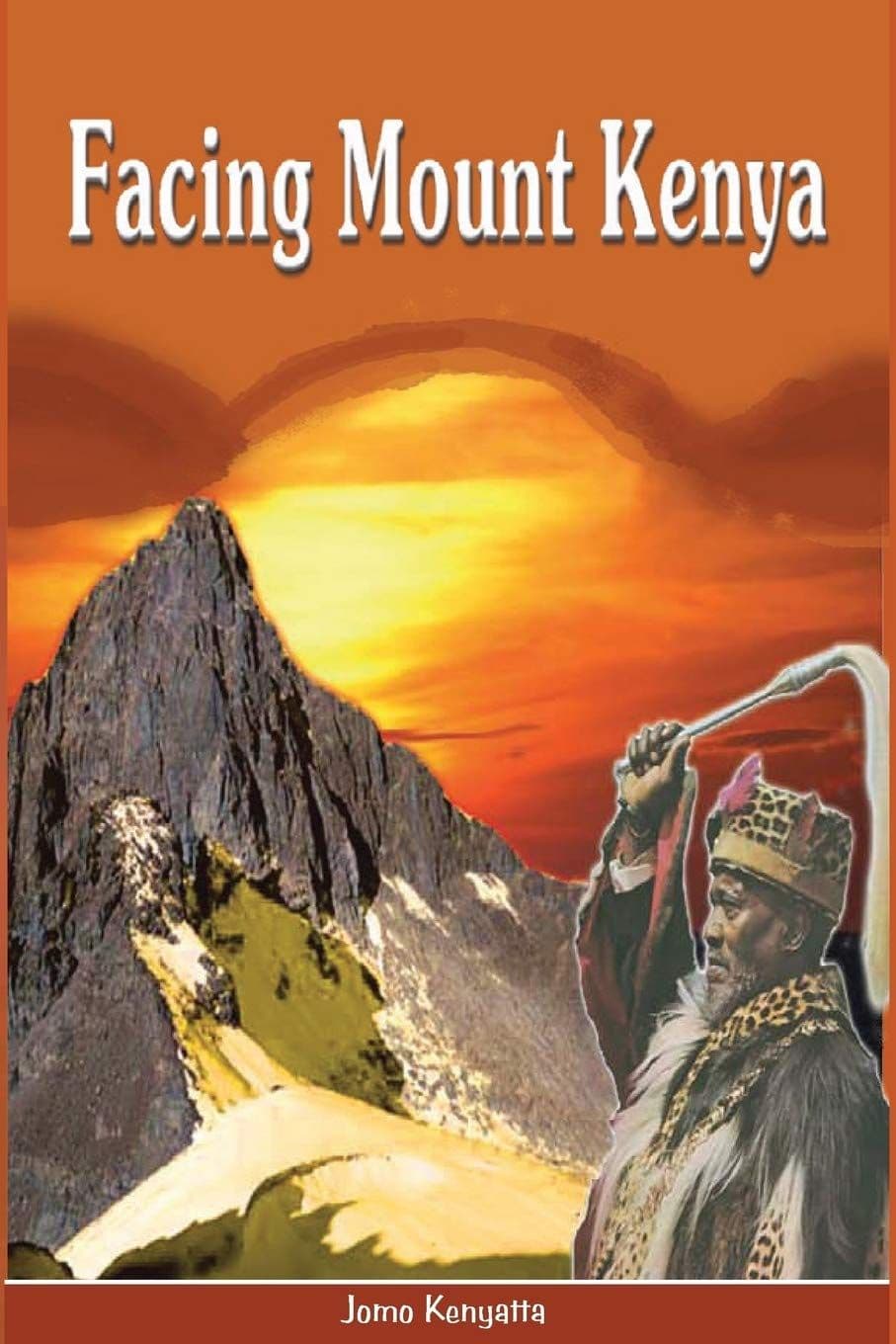
Kenyatta wrote at a time when colonial anthropology sought to define African societies through paternalistic and reductive frameworks. Facing Mount Kenya responds to these distortions by reasserting the authority of indigenous knowledge and lived experience as legitimate sources of understanding. He declares that the traditions of the Gikuyu have been “verbally handed down from generation to generation,” elevating oral tradition as a medium of law, history, and moral instruction. In this regard, Kenyatta transforms ethnographic writing into an instrument of intellectual reclamation, challenging the colonial monopoly over knowledge production. The text functions as both a scholarly record and a form of resistance, restoring to the Gikuyu the authority to define the principles that govern their social and political life.
At its core, Facing Mount Kenya reflects a dual orientation. It is an academic study that systematically examines the structures of Kikuyu life, including kinship, land tenure, initiation, and traditional governance. It is also a political text in which ethnographic inquiry becomes a means of envisioning self-rule. Kenyatta writes with the consciousness of a statesman, one whose familiarity with indigenous systems would later inform his leadership of an independent Kenya. His portrayal of traditional institutions affirms their coherence and sophistication, arguing that cultural and moral systems rooted in local experience form the most reliable foundation for national development. These ideas acquired renewed relevance in the years following Kenya’s independence in 1963, when questions of legitimacy, social order, and national cohesion intersected with the search for authentic modes of self-governance.
Among the most compelling aspects of Kenyatta’s analysis is his treatment of land as a material and symbolic axis of Kikuyu life. Within this worldview, land embodies ancestry, continuity, and communal obligation. It serves as both a source of livelihood and a repository of memory, linking generations through the transmission of rights and responsibilities. Kenyatta records the traditional mechanisms of collective tenure and inheritance, contrasting them with the alien principles of private property imposed under colonial rule. For the Gikuyu, land represents more than possession; it is the physical and moral substance of community. Its expropriation under colonialism disrupted social order and dislocated identity. The struggle for its recovery, therefore, acquired dimensions that were economic, moral, and historical, anchoring the nationalist movement in a deeper sense of collective purpose.
Kenyatta’s reflections on land continue to shape political discourse in Kenya and beyond. The principles he described, in which stewardship takes precedence over ownership, remain relevant to contemporary debates on reform, resource management, and equitable development. His insights also resonate with wider African efforts to restore indigenous systems of environmental governance as a counterbalance to the exploitative tendencies of modern property regimes. Through the lens of land, Facing Mount Kenya reveals the enduring tension between imposed legal frameworks and communal traditions that conceive of territory as an inheritance shared across generations.
Equally significant is Kenyatta’s exploration of culture as the foundation of social order and moral continuity. His discussion of initiation, marriage, and ancestral veneration demonstrates how ritual life sustains belonging and transmits ethical codes across time. These practices are portrayed as mechanisms through which society regenerates itself and maintains cohesion. Even as he acknowledges the transformative pressures of modernization, Kenyatta affirms the capacity of cultural systems to adapt without surrendering their essential values. His analysis suggests that the vitality of a people depends on their ability to renew inherited traditions while remaining connected to their historical experience.
This conception of culture as an evolving system anticipates later discourses on decolonization and cultural revival. Across Africa, efforts to recover indigenous languages, epistemologies, and social philosophies reflect an intellectual movement that seeks to reconcile tradition with modern governance. Facing Mount Kenya thus remains pertinent as a text that demonstrates how indigenous institutions can coexist with state structures without being absorbed by them. Kenyatta presents tradition as a living foundation capable of transformation while preserving coherence and continuity.
Kenyatta’s approach to identity is grounded in a recognition of its dynamic and historical character. He treats culture as an adaptive framework through which societies respond to external forces and internal transformations. The colonial encounter, while profoundly disruptive, did not erase indigenous identity but compelled its rearticulation. Through this perspective, Facing Mount Kenya becomes an account of continuity under strain, documenting how local institutions adjust and endure within shifting political conditions. The resilience of indigenous identity emerges as both an empirical observation and a philosophical claim: that the capacity for self-definition persists even under domination.
In the decades following independence, the themes articulated by Kenyatta have remained central to African political thought. The issues of authenticity, legitimacy, and cultural grounding continue to shape the search for governance models that reflect local values while engaging global systems. Facing Mount Kenya invites reflection on the lingering influence of colonial categories in education, policy, and intellectual life. It also points to the need for development approaches that recognize the epistemological and moral contributions of indigenous societies.
Facing Mount Kenya endures as a historical document and a statement of principle. Its integration of ethnographic precision and political analysis situates it at the intersection of scholarship and nation-building. By affirming the coherence and rationality of indigenous institutions, Kenyatta articulated a conception of freedom grounded in cultural self-knowledge and social reciprocity. The text continues to serve as a reference point for discussions on African sovereignty, identity, and the ethics of self-determination. In reaffirming the intellectual and moral autonomy of African societies, Facing Mount Kenya established a lasting paradigm for understanding liberation as both a political and cultural achievement.