Jan 14, 2026
By Mesai Mitiku
The critical global water challenges articulated at World Water Day 2025 reflect the escalating crisis of water scarcity, pollution, and inequitable access that threaten sustainable development worldwide. Climate change exacerbates water stress through unpredictable precipitation patterns, rising temperatures, and extreme weather events, leading to frequent droughts and floods that compromise water availability and quality.
Rapid urbanization and population growth strain existing water infrastructure, resulting in inadequate access to safe drinking water and sanitation, especially in developing countries. Water pollution from industrial, agricultural, and domestic sources further diminishes clean water sources, endangering human health and ecosystems. Additionally, governance issues, funding deficits, and lack of integrated water management strategies hinder effective solutions, necessitating urgent international cooperation and innovative approaches to ensure water security for all.
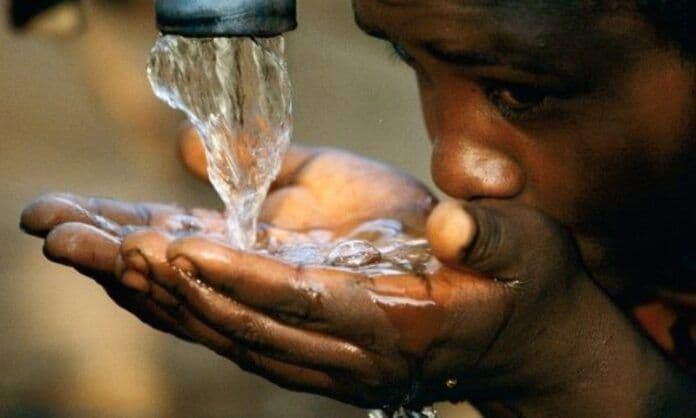
In Africa, hundreds of millions of people lack safe drinking water, with estimates suggesting around 400 million to over 410 million people in sub-Saharan Africa alone lack basic drinking water services, and globally 2.1 billion people lack safely managed water, with a significant portion in Africa.
Inadequate Infrastructure
Africa faces a particularly severe water crisis, with the continent losing an estimated $170 billion annually due to inadequate water infrastructure. This loss stems from inefficient water supply systems, high levels of water leakage, and the inability to meet growing demand for potable water, irrigation, and industrial use. The African Union (AU) underscores a compelling study indicating that every dollar invested in water and sanitation yields at least seven dollars in economic benefits, including improved health, productivity, and social stability. This highlights the critical importance of investing in robust water infrastructure as a catalyst for economic development and poverty alleviation across the continent.
Africa’s strategic vision for water is encapsulated in the Africa Water Vision 2063, which aims to ensure sustainable water management and universal access to safe water and sanitation by 2063. The vision emphasizes integrated water resources management, climate resilience, and equitable water distribution, recognizing water as a fundamental human right and a driver of socio-economic development. The African Ministerial Conference on Water (AMCOW) plays a pivotal role in advancing this agenda by coordinating efforts among member states, promoting policies, and mobilizing resources to address water challenges. AMCOW also advocates for regional cooperation, data sharing, and capacity building to strengthen water governance and infrastructure.
African ministers approved a set of measures to accelerate water security, including a new strategic plan for AMCOW, sustainable financing plans, and a long-term groundwater program. They also plan to hold an international financing conference in 2026. The Africa Water Vision and Policy will be endorsed at the 2026 AU Summit, making it Africa’s official water framework and enabling the continent to shape global water priorities. Ministers called on member states to quickly incorporate these plans into national and regional development efforts.
“This Vision transforms how Africa thinks and acts on water: from fragmented responses to collective action, from short-term fixes to long-term resilience. It is a call to value water in all its dimensions and lead with innovation, cooperation, and trust,” said AMCOW Executive Secretary, Rashid Mbaziira (Ph.D).
Under the newly adopted Africa Water Vision 2063 - the African Union–Continental African Water Investment Program (AIP) Summit 2025 which brought together African Heads of State, global investors, ministers, private sector leaders, and development institutions in a unified call to close Africa’s $30 billion annual water investment gap.
Africa’s Water-Food-Energy Nexus
The water-food-energy nexus is particularly critical in the African context, where resource scarcity and competing demands often lead to tensions and inefficiencies. Water is essential for agriculture, which employs a significant portion of the population, and for energy production, especially hydropower. Conversely, energy is needed for water extraction, treatment, and distribution, creating a complex interdependence. Addressing this nexus requires integrated policies that optimize resource use, promote sustainable practices, and foster innovation to ensure food security, energy access, and water sustainability simultaneously.
Agriculture remains the backbone of African livelihoods, yet 95% of the continent's farmed land is still rain-fed. Climate change worsens water scarcity in Africa by disrupting rainfall and reducing water availability, threatening food security. Solutions include integrated water management, resilient infrastructure, water-saving practices, ecosystem restoration, and nature-based approaches like afforestation to improve water resilience and adaptation. As climate change renders rainfall patterns increasingly erratic, the AU is pushing for a continental shift toward integrated irrigation systems. Without water security, there is no food security.
The African Development Bank prioritizes water security and climate resilience in its strategy, investing $2.8 billion annually and mobilizing up to $8 billion for climate adaptation projects. It supports numerous water infrastructure and sanitation projects across Africa, including in Kenya, where programs have improved access to water, expanded wastewater services, and promoted sustainable practices like solar energy use and waste reuse. The Bank manages over 120 climate-informed water projects, ensuring sustainable and resilient water systems continent-wide.
The economic cost of waterborne diseases remains a staggering burden on national budgets. As aforementioned, every $1 invested in safe water and sanitation yields a $7 return in productivity and saved healthcare costs.
Looking ahead, the Africa Union Summit 2026 adopted the theme: "Assuring Sustainable Water Availability and Safe Sanitation Systems to Achieve the Goals of Agenda 2063." It puts a focus on transforming water and sanitation governance for continental development, coordinated by the AU's Directorate of Sustainable Environment and Blue Economy (SEBE). This theme drives action on water security, sanitation access, and aligning efforts with the AU's long-term Agenda 2063, with related discussions linking to the UN Water Conference and national infrastructure strategies.
The focus of the theme is also on harnessing Africa’s demographic dividend, technological advancement, and regional cooperation to accelerate progress towards the Sustainable Development Goals (SDGs). The summit’s significance lies in its potential to galvanize political will, mobilize resources, and foster collaborative solutions to Africa’s pressing challenges, including water security. It will serve as a platform to reinforce commitments, showcase innovative solutions, and set actionable priorities for the continent’s sustainable future.
In conclusion, the global water challenges discussed at World Water Day 2025 highlight the urgency of addressing water scarcity, pollution, and infrastructure deficits worldwide, with Africa’s situation exemplifying the critical need for investment and strategic planning. The continent’s economic losses due to inadequate water infrastructure are staggering, but the potential returns from strategic investments are equally compelling. Initiatives like Africa Water Vision 2063 and AMCOW’s efforts exemplify Africa’s proactive approach to sustainable water management, while the water-food-energy nexus underscores the interconnected nature of resource security. The upcoming Africa Union Summit 2026 promises to reinforce these efforts, emphasizing resilience, innovation, and regional cooperation as essential pathways to ensuring water security and sustainable development across Africa.