May 30, 2026
By Ahmed Hashim
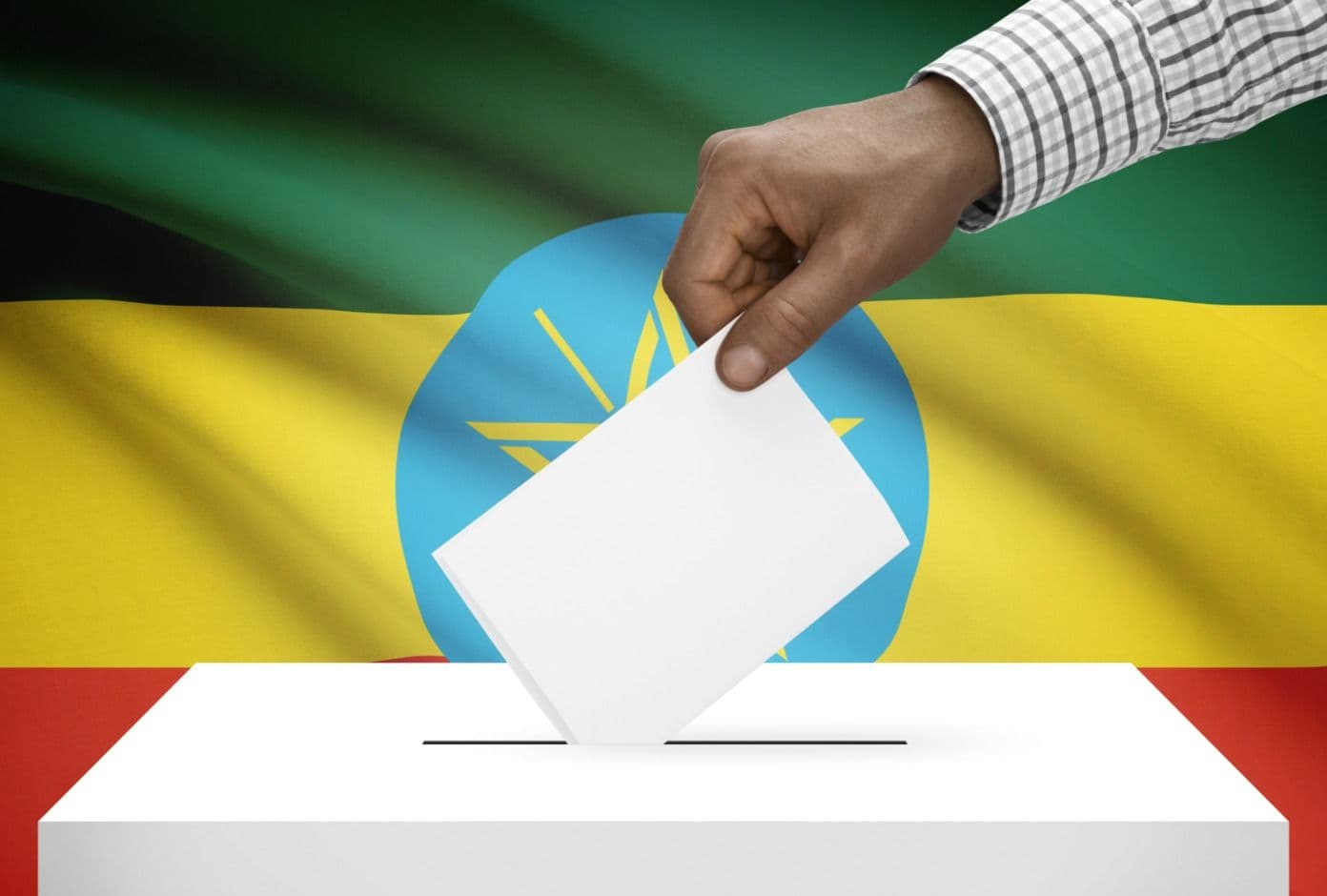
The National Electoral Board of Ethiopia (NEBE) on Friday crystalized the number of registered voters across Ethiopia for the 7th Parliamentary and Regional Council elections at 54, 057,861 —a huge figure by not only continental but global records relative to population size. According to the board’s head, Melatwork Hailu, a total of 10,438 contenders canvassed, of which 80 field independently. Of the total electorate figures, about 20,100 are university students, 28,632 are displaced citizens and 126,498 citizens at military camps. Melatwork said election materials have been distributed to all but just five election centers in Amhara and four in Gambella. Accordingly, she said, voting will be conducted at 501 of 547 single-member constituencies.
While these figures tell a story by themselves, it is well also to take a look retrospectively at Ethiopia’s journey at democratizing.
Since 1995, Ethiopia has held regular parliamentary and regional elections, but these electoral processes have often been marred by widespread criticisms of unfairness, manipulation, and suppression. The country’s political landscape has long been shaped by a history of authoritarian rule, ill-managed ethnic tensions, and limited political freedoms, which have hindered genuine democratic development. The dominance of the Ethiopian People’s Revolutionary Democratic Front (EPRDF) created a political environment where opposition voices were marginalized and electoral integrity was frequently questioned. For decades, elections served more as tools to legitimize the ruling elite’s hold on power rather than genuine opportunities for political contestation and representation. This legacy of authoritarianism, had kept Ethiopia far from the ideals of democratic governance that it aspired to uphold. The stage of democratic development in Ethiopia remained at its infancy, to date.
The journey of Ethiopia’s parliamentary system from the imperial era through the socialist regime and a couple of decades into the current federal structure has been complex and tumultuous. Under Emperor Haile Selassie, a limited parliamentary system was introduced, but ultimate authority remained concentrated in the monarchy, which curtailed meaningful democratic practices. The military dictatorship of the Derg regime, beginning in 1974, abolished parliamentary institutions altogether, replacing them with centralized, authoritarian rule characterized by repression and human rights abuses. It was only after the fall of the Derg in 1991 that Ethiopia embarked on a new political path, establishing a federal system and reintroducing parliamentary institutions. However, even during this transition, the electoral process was often manipulated to sustain the ruling coalition’s dominance, and opposition parties faced harassment and exclusion. The elections held under the EPRDF’s rule, from 1995 onwards, were frequently criticized for lacking transparency, fairness, and inclusivity, which cast doubt on Ethiopia’s democratic credentials.
Despite these setbacks, Ethiopia’s political landscape has experienced notable changes since 2018. Sweeping changes marked a turning point, as the country prioritized reforms aimed at opening up Ethiopia’s political space and addressing longstanding grievances. One of the most significant achievements was the release of political prisoners and the easing of restrictions on opposition parties. These measures signaled a genuine attempt to create a more inclusive political environment and foster dialogue among Ethiopia’s diverse ethnic groups. The reforms also moved to relax media controls, reduce censorship, and promote freedom of expression, all of which are vital components of a functioning democracy. These efforts have been recognized both domestically and internationally as steps in the right direction, representing a departure from the oppressive tactics of previous regimes.
Moreover, the reforms actively encouraged political pluralism and sought to create a level playing field for elections. While challenges remain—such as ethnic conflicts, institutional weaknesses, and logistical hurdles—the government’s commitment to reform has led to more competitive electoral processes. The 2021 elections, for instance, saw a broader spectrum of political parties participating, and there was increased voter engagement compared to previous elections. Although irregularities and violence still marred the electoral process in some regions, the overall atmosphere was markedly more open and participatory. These developments indicate that Ethiopia is steadily moving toward a more democratic dispensation, where political competition is not merely superficial but rooted in genuine pluralism and respect for fundamental rights.
The reforms have also fostered a broader national dialogue on issues of governance, ethnicity, and development. The government has taken steps to address ethnic conflicts through peace initiatives and negotiations, recognizing that sustainable democracy requires stability and social cohesion. Recent efforts to promote dialogue and reconciliation demonstrate a willingness to adapt Ethiopia’s political system in ways that are more inclusive and representative. This ongoing process highlights Ethiopia’s recognition that democratic development is a gradual journey, requiring patience, institutional strengthening, and a commitment to upholding human rights.
The recent reforms have laid a foundation for a more vibrant and participatory democracy. The Ethiopian government’s willingness to implement reforms, despite its challenges, underscores a recognition that democratic consolidation is essential for long-term stability and development.
Ethiopia’s political evolution over the past few decades has been marked by profound setbacks, but also promising signs of reform and renewal. The authoritarian legacy of the past has been gradually challenged by efforts to expand political freedoms, improve electoral integrity, and foster national dialogue.
Ethiopia today has taken significant steps toward democratization, moving away from a history of repression and marginalization toward a future where democracy can truly flourish. While challenges remain, Ethiopia’s recent reforms demonstrate a genuine commitment to building a more inclusive, transparent, and participatory political system. As the country continues on this path, the hope is that Ethiopia’s democratic dispensation will deepen, ensuring that the will of its diverse peoples is reflected in its governance and that the nation’s democratic journey becomes more resilient and enduring.