Jan 1, 2026
By Habtamu Ababu
AFCON 2025 in Morocco has once again proven that African football is never just about goals and trophies. As the group stage concluded on the final day of 2025, stadiums echoed not only with chants and drums, but with something deeper, identity. Every team walked onto the pitch carrying a name that represents far more than a tactical unit. These nicknames are vessels of history, culture, struggle, and pride, or even temperament.
Across the 24 qualified nations of AFCON-Morocco 2025, supporters do not simply cheer for players; they rally behind symbols. Lions, eagles, elephants, thunder, pharaohs, and warriors all converged on Moroccan soil, transforming matches into cultural encounters. Remarkably, 18 of the 24 teams at AFCON 2025 bear animal-inspired nicknames, reflecting Africa’s profound connection to nature, strength, and survival.
As the tournament shifts from group calculations to knockout drama, understanding these names means understanding what truly drives African football. This is a journey into the stories behind every AFCON 2025 nickname, why they matter now more than ever and what they reveal about Africa itself.
More Than Names: Symbols of Identity and Belief
In African football, nicknames are not branding exercises. They are inherited identities. Passed down through generations, they connect national teams to wildlife, ancient civilizations, liberation struggles, and shared values. They shape how teams are perceived and how they perceive themselves.
A lion does not retreat. An eagle sees what others cannot. Thunder announces its arrival before it strikes. These symbols influence mentality, expectation, and belief. At AFCON, where emotion rivals tactics, nicknames become psychological armor or heavy crowns.
With that in mind, here is a deeper look at the identities each AFCON 2025 nation carries onto the continental stage.
Animal-Inspired Powerhouses
Africa’s wildlife has long embodied power, survival, and balance. It is no surprise that most AFCON teams draw their identity from the animal kingdom.
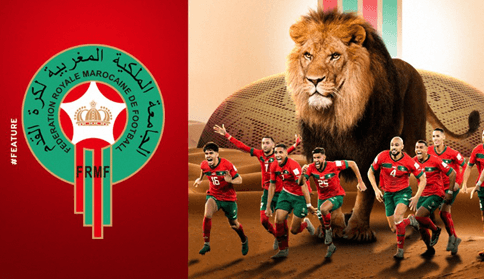
Morocco – The Atlas Lions
The Atlas lion, now extinct in the wild, once roamed the Atlas Mountains and symbolized royal authority and strength in Moroccan history. It represents courage, leadership, and territorial dominance—values deeply embedded in Morocco’s national identity.
As AFCON 2025 hosts, the Atlas Lions embody pride, heritage, and the expectation to rule on home soil.
Algeria – The Fennec Foxes
The fennec fox is Algeria's official national animal—a small, nocturnal desert dweller with oversized ears for heat dissipation. It represents cunning intelligence, agility, and survival in extreme conditions, much like Algeria's tactical, resilient style that led to their 2019 AFCON victory. For Algerians, the fennec embodies adaptability in the vast Sahara and quiet determination.
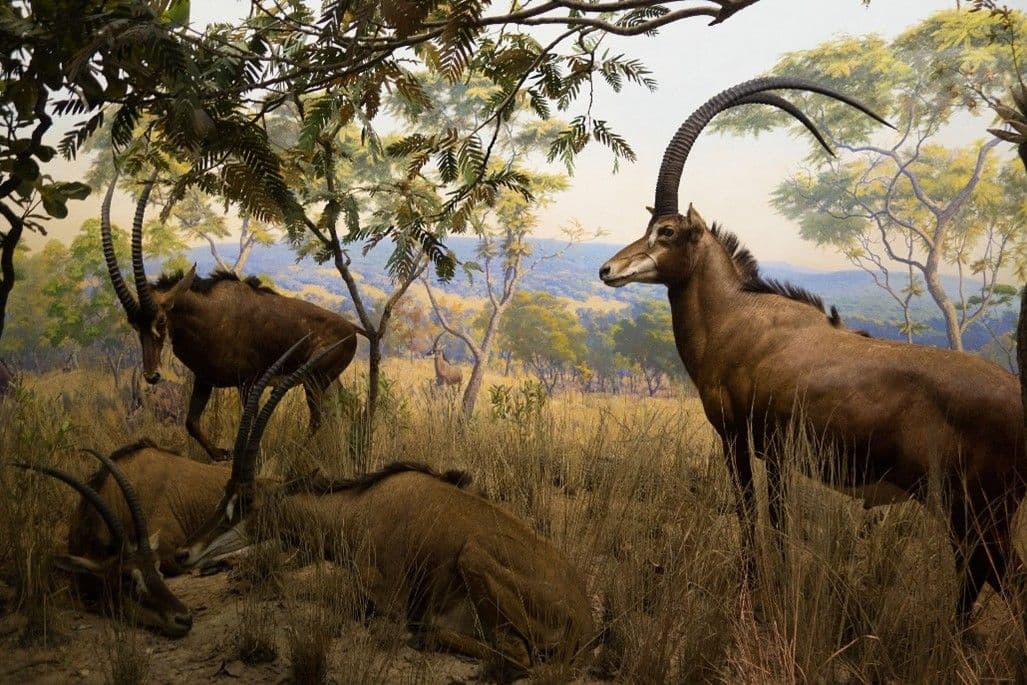
Angola – Palancas Negras (Black Sable Antelopes)
The giant black sable antelope (Palanca Negra) is an endangered species unique to Angola, declared the national animal for its beauty and rarity. Known for elegance, endurance, and resilience, it represents Angola’s survival through hardship and renewal. On the pitch, the Palancas Negras reflect quiet strength and national uniqueness.
Benin – The Cheetahs
The cheetah is the fastest land animal, admired for speed, precision, and explosive movement. Benin switched from "The Squirrels" in 2022 to the cheetah to project a more aggressive image. It highlights explosive speed and hunting instincts, aligning with their quick-transition and sharp counterattacks. This change signifies ambition and a desire to intimidate bigger opponents.
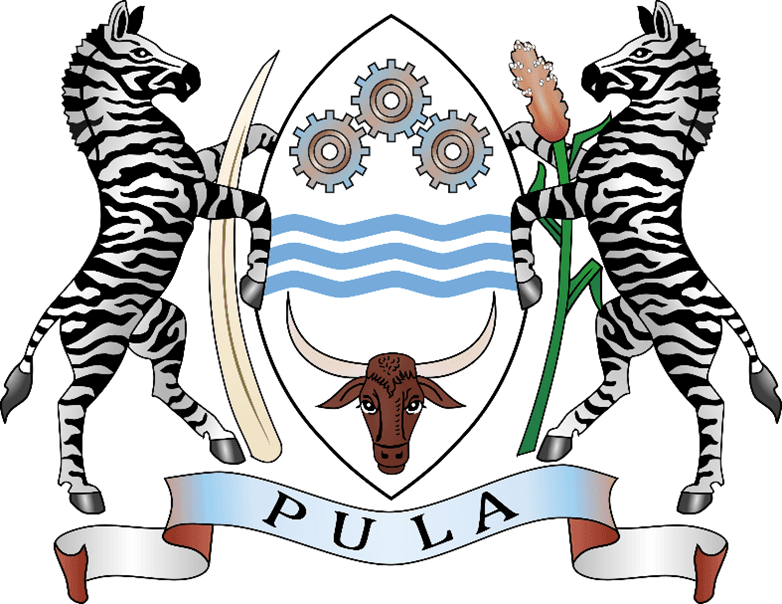
Botswana – The Zebras
The zebra is Botswana’s national animal and appears on the country’s coat of arms. Known for balance, unity, and survival in herds, symbolizing collective effort and unity, it suits a team known for disciplined, collective play. For Botswana, the Zebras represent harmony and resilience in a competitive environment.
Burkina Faso – The Stallions (Les Étalons)
Rooted in the legend of Princess Yennenga, a warrior who rode a stallion to found the Mossi kingdoms (core of modern Burkina Faso). In Burkinabè culture, it reflects freedom, courage, and relentless drive. On the football field, Les Étalons represent determination and the refusal to back down against stronger opponents. It's a direct tie to national founding myths.
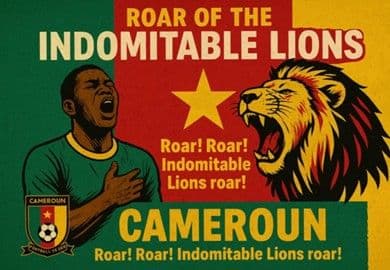
Cameroon – The Indomitable Lions
The lion is universally associated with kingship and fearlessness, and in Cameroon it represents national authority and dominance. "Indomitable" was added in the 1970s to emphasize untamable spirit after early successes. The nickname symbolizes courage, physical strength, refusal to surrender and dominance, matching their five AFCON titles. To Cameroonians, it is a badge of unbreakable pride.
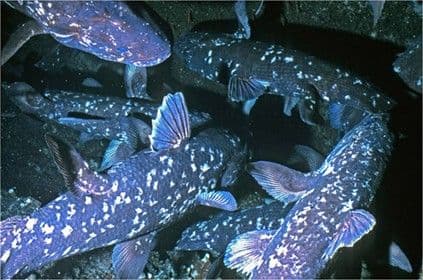
Comoros – The Coelacanths
The coelacanth is a rare prehistoric "living fossil" fish rediscovered off the Comoros islands in modern times. It symbolizes survival against the odds and scientific wonder. For Comoros, the nickname reflects national pride in uniqueness, endurance, and mystery, it perfectly captures this small island nation's surprising football rise (underdogs punching above weight).
DR Congo – The Leopards
Leopards are iconic in the Congo Basin rainforest -- a powerful and stealthy predator long associated with authority in Congolese symbolism. The nickname reflects DR Congo's flair-filled, unpredictable play and multiple AFCON wins. It ties to national wildlife and evokes vigilance in a resilient country.
Gabon – The Panthers
Black panthers prowl Gabon's dense rainforests, symbolizing stealth and explosive power. In Gabon, it represents confidence and controlled aggression. The nickname mirrors Gabon’s footballing approach, which is be patient, technical, and dangerous when space opens.
Ivory Coast – The Elephants (Defending Champions)
The elephant is a symbol of wisdom, power, and unity, deeply rooted in Ivorian identity and the nation’s name itself. It represents collective strength and resilience. As defending AFCON champions, the Elephants carry the weight of authority and expectation.
Mali – The Eagles (Les Aigles)
Eagles soar over Mali's vast landscapes, representing vision, freedom, and predatory sharpness. Les Aigles reflect a football culture built on fearlessness, youth, and the ability to rise above challenges.
Mozambique – Os Mambas
The mamba is one of Africa’s fastest and most lethal snakes, feared for its speed and precision. It represents danger and unpredictability. For Mozambique, the nickname signals a team capable of quick, dangerous counter-attacks.
Nigeria – Super Eagles
The eagle is Nigeria’s national bird, representing power, vision, and pride. The “Super” prefix reflects ambition and continental stature. The Super Eagles symbolize a nation that expects excellence and plays with confidence and flair, fitting Africa's most populous nation's dominant history.
Senegal – The Lions of Teranga
The lion represents strength and dominance, while Teranga, the Wolof word for hospitality, adds cultural depth. Together, the nickname reflects fierce competitiveness balanced with unity and respect. It defines Senegal’s disciplined yet fearless football identity.
Sudan – The Falcons of Jediane
The secretary bird, locally known as Jediane, a tall raptor that stomps snakes with precision, is admired for patience and deadly precision. It represents intelligence and calm control. For Sudan, the falcon symbolizes strategic football and resilience rooted in tradition.
Tunisia – The Carthage Eagles
The eagle is linked to ancient Carthage, symbolizing authority, and military discipline. It represents tactical intelligence and historical pride. Tunisia’s nickname connects modern football success to ancient civilization.
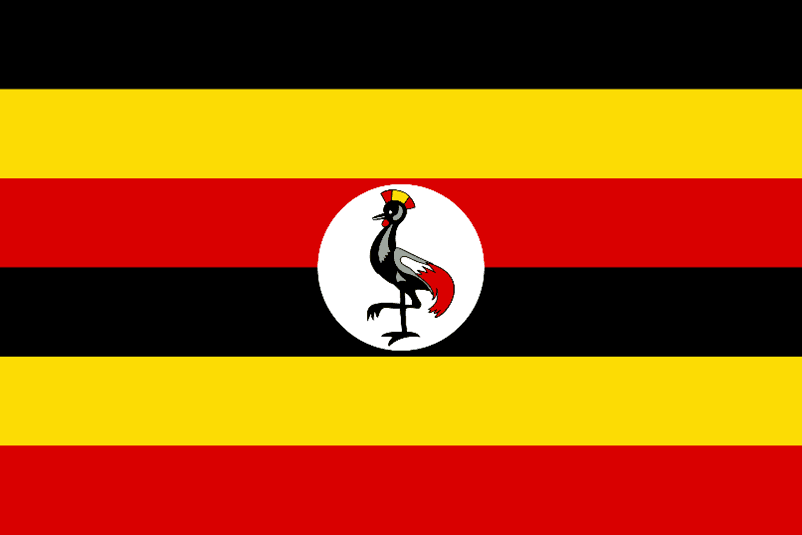
Uganda – The Cranes
The crested crane is Uganda’s national bird and a symbol of grace and unity. It represents balance, dignity, and perseverance. On the pitch, the Cranes embody collective effort elegance, longevity, and grace in a hardworking team.
Beyond the Beasts: History and Unity
Not all power comes from claws or wings, though. Some nations draw strength from history, unity, and shared struggle.
Egypt – The Pharaohs
The Pharaohs were the rulers of ancient Egypt, presiding over one of the world’s most influential civilizations. The nickname connects modern Egypt as repository to millennia-old historical legacy of power, organization, and cultural preservation.
Equatorial Guinea – Nzalang Nacional (The National Thunder)
“Nzalang Nacional” translates to “National Thunder,” symbolizing raw energy and collective force rather than an animal figure. Thunder represents sudden impact, intimidation, and unity. For Equatorial Guinea, the name reflects a team that strikes unexpectedly and plays with emotional intensity on the African stage.
South Africa – Bafana Bafana
“Bafana Bafana” means “The Boys, The Boys” in Zulu, a phrase that became popular during the post-apartheid era. It symbolizes youthfulness, unity, and national rebirth. In football, it reflects togetherness and the belief that the team represents all South Africans equally.

Tanzania – Taifa Stars (Nation Stars)
“Taifa” means nation in Swahili, and the nickname emphasizes unity and collective identity over individual heroism. It reflects Tanzania’s emphasis on togetherness and national pride. Taifa Stars represent a team built on solidarity and shared responsibility.
Zambia – Chipolopolo (The Copper Bullets)
“Chipolopolo” refers to bullets made of copper, drawing from Zambia’s Copperbelt mining heritage. The nickname symbolizes strength, speed, and industrial pride. In football terms, it represents sharp attacking play and a hardworking national character forged through labor and resilience, iconic after their 2012 AFCON triumph.
Zimbabwe – The Warriors
The Warriors symbolize bravery, resistance, and endurance, deeply rooted in Zimbabwe’s liberation history. The nickname reflects courage and determination in the face of adversity. On the pitch, it represents a fighting spirit and refusal to be overpowered.
No Second Chances
With the group stage now complete, AFCON 2025 has entered its most unforgiving phase. Six group winners have emerged with authority: Morocco, Egypt, Nigeria, Senegal, Algeria, and Ivory Coast, setting the standard for the tournament. They are joined by resilient runners-up: Mali, South Africa, DR Congo, Burkina Faso, Cameroon, and Tunisia, each carrying hard-earned belief into the Round of 16.
Completing the knockout field are the four best third-placed sides: including Tanzania, making a historic first-ever knockout appearance; Benin; Sudan; and Mozambique, also reaching the AFCON knockout stage for the first time. Their progression adds fresh narratives to a tournament already rich in tradition.
For others, the journey ends here. Angola, Botswana, Comoros, Equatorial Guinea, Gabon, Uganda, Zambia, and Zimbabwe exit the competition, their symbols resting until the next continental call.
For the 16 that remain, these nicknames now carry even greater weight. They are no longer cultural introductions, they become psychological armor, national expectations, and emotional fuel. Each qualified nation carries its symbol into knockout battles where history, belief, and identity collide. To understand this stage of AFCON 2025 is to dive deeper into each nickname: its essence, its cultural meaning, how it mirrors footballing style or history, and what it truly represents to the nation it stands for.