Oct 21, 2025
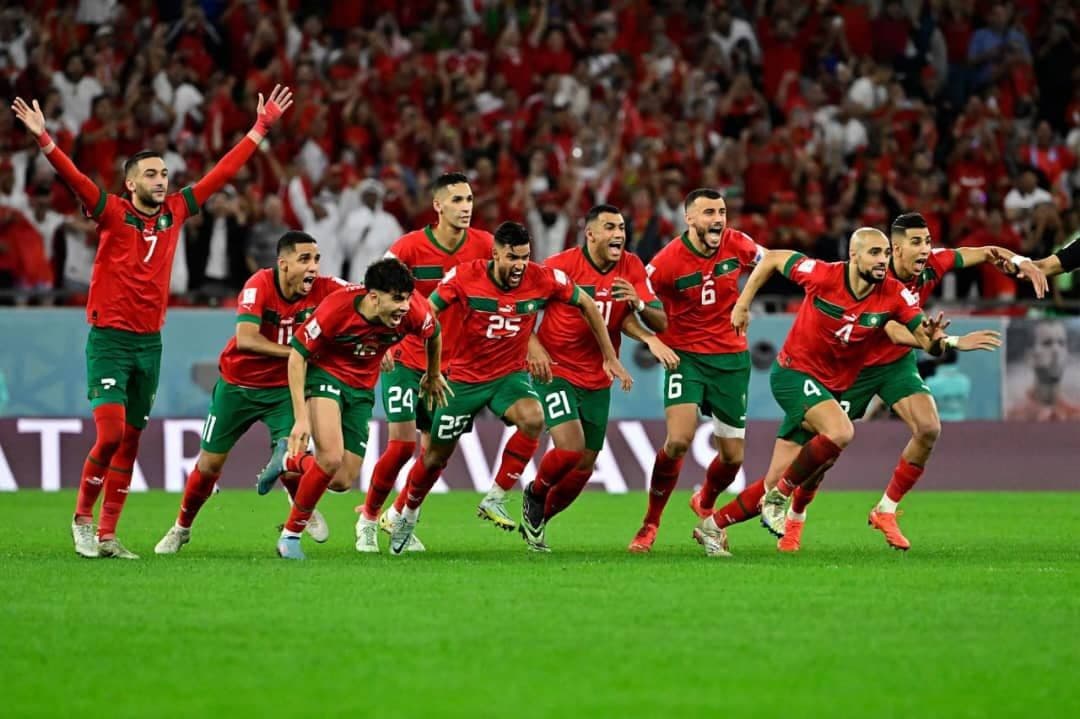
In the electrifying cauldron of the 2022 Qatar World Cup, Morocco's Atlas Lions forged a story that resonated far beyond the pitch. By becoming the first African nation to reach a World Cup semi-final, they didn't just win matches; they announced the arrival of a new footballing power. This triumph, however, was not a stroke of luck. It was the spectacular result of a meticulous, well-funded, and visionary strategy implemented over the last five years—a strategy that is now seen as a comprehensive blueprint for other African nations to follow.
At the heart of Morocco's stunning ascent is a clear philosophy driven by the Royal Moroccan Football Federation (FRMF) under the leadership of President Fouzi Lekjaa: invest in infrastructure, nurture talent from the grassroots, and professionalize every aspect of the game. This long-term vision, backed by significant national support, has systematically transformed the football landscape of the kingdom.
What They Did: The Pillars of a Revolution
1. World-Class Infrastructure: The cornerstone of Morocco's development is the state-of-the-art Mohammed VI Football Complex. Inaugurated in 2019 near Rabat, this €60 million facility is a testament to the kingdom's ambition. Spanning nearly 30 hectares, it boasts FIFA-standard pitches, a state-of-the-art medical center, an Olympic-sized swimming pool, and accommodation for national teams of all age groups. This complex, along with the famed Mohammed VI Football Academy established in 2009, has become a talent factory, rivaling the best facilities in Europe.
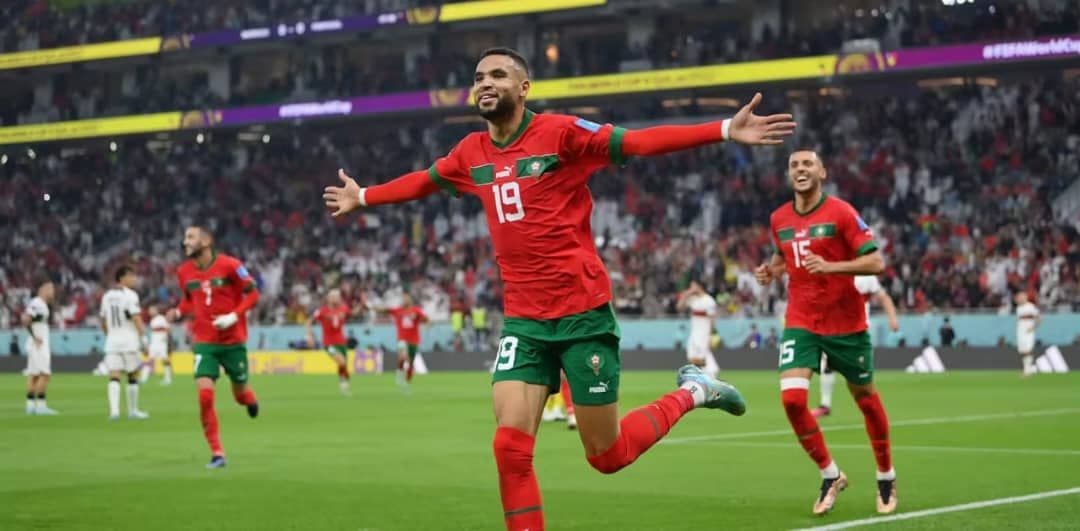
The academy has been instrumental in producing a new generation of stars, including World Cup heroes like Youssef En-Nesyri, Nayef Aguerd, and Azzedine Ounahi. The investment extends nationwide, with the renovation of stadiums and the creation of regional training centers inspired by the Mohammed VI Complex model.
2. A Professionalized Women's League: Morocco has made a groundbreaking commitment to women's football. In a move that has set a global precedent, the country established a two-tier professional women's football league. The FRMF provides substantial funding—up to $130,000 for top-division clubs and $86,000 for the second division—to ensure players and staff are paid monthly. This investment, partly fueled by a strategic use of FIFA's COVID-19 relief funds, has professionalized the women's game and spurred its rapid growth.
3. Youth Development and a Strong Domestic League: The strategy has been holistic, focusing on all levels of the sport. Morocco has poured resources into youth programs and strengthening its domestic league, the Botola Pro. This has created a competitive environment that has seen Moroccan clubs consistently dominate continental competitions. Teams like Wydad AC and RS Berkane have clinched titles in the CAF Champions League and Confederation Cup, respectively, cementing the Botola Pro's status as one of Africa's top leagues.
4. Strategic Talent Management: The FRMF has adopted a dual approach to talent: nurturing homegrown players while actively scouting and integrating the Moroccan diaspora.[8] The world-class facilities and the national teams' growing success have made representing the Atlas Lions an attractive proposition for European-born players of Moroccan descent, creating a rich and diverse talent pool.
What They Got: A Harvest of Trophies and Recognition
The return on Morocco's investment has been swift and spectacular. The last five years have been a golden age for Moroccan football.
Historic World Cup Run (2022): The senior men's team's journey to the semi-finals in Qatar captured the world's imagination and shattered a long-standing barrier for African football.
Dominance Across All Levels: Success has been achieved across the board. The U23 team won the Africa Cup of Nations, the U20 team was crowned world champions in Chile, and the Futsal team has become a global powerhouse.
The Rise of the Atlas Lionesses: The women's national team reached the final of the 2022 Women's Africa Cup of Nations (WAFCON) and made a historic debut at the 2023 FIFA Women's World Cup, advancing to the Round of 16.[2][19] Their success has inspired a new generation of female players and shifted societal perceptions.
Continental Club Supremacy: Moroccan clubs have become the teams to beat in Africa, regularly winning the continent's most prestigious club tournaments.
Global Recognition: Morocco is now a globally respected football nation, set to host the 2025 Africa Cup of Nations and co-host the 2030 FIFA World Cup with Spain and Portugal.
Lessons for Africa: A Replicable Blueprint
Morocco's success offers a powerful and replicable model for other African nations. The key takeaways are clear:
Government and Federation Synergy: A unified vision and strong financial commitment from both the government and the football federation are non-negotiable. Morocco's success is a direct result of a national strategy championed at the highest levels.
Infrastructure is Foundational: Investing in high-quality, modern facilities is the bedrock of development. World-class training centers not only improve player skills but also attract talent and signal serious ambition.
Professionalize the Entire Ecosystem: Success is not just about the national team. A strong, competitive, and well-managed domestic league is essential for sustainable talent development.
Invest Seriously in Women's Football: Morocco has proven that investing in the women's game yields incredible results, both on the pitch and in society. It is an area with immense potential for growth across the continent.
Long-Term Vision Over Short-Term Gains: Morocco's golden era is the fruit of a plan that began over a decade ago. It requires patience, persistence, and a belief in the process.
The roar of the Atlas Lions is a sound of triumph born from a decade of quiet, diligent work. It is a roar that has not only placed Morocco at the pinnacle of African football but has also provided a clear and inspiring path for the rest of the continent to follow.