Mar 19, 2026
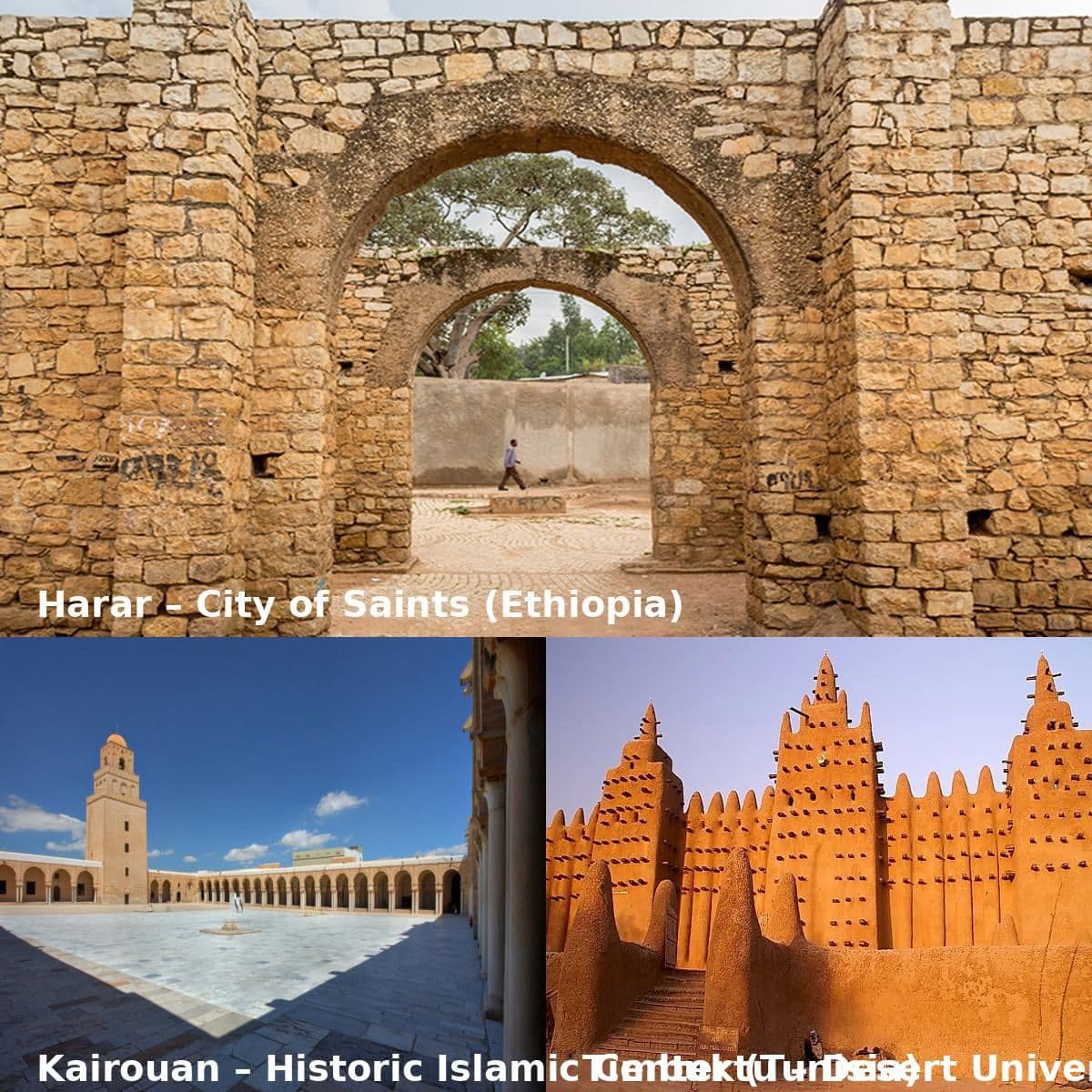
For centuries, Africa has been home to some of the most influential centers of Islamic scholarship, trade, and culture. Long before modern universities emerged in many parts of the world, African cities were bustling hubs where scholars debated theology, traders crossed deserts with caravans, and communities-built institutions that shaped the spiritual and intellectual life of the continent.
From the sands of the Sahara to the historic towns of the Horn of Africa, these ancient Islamic centers remain powerful symbols of Africa’s rich religious and cultural heritage.
Timbuktu, Mali
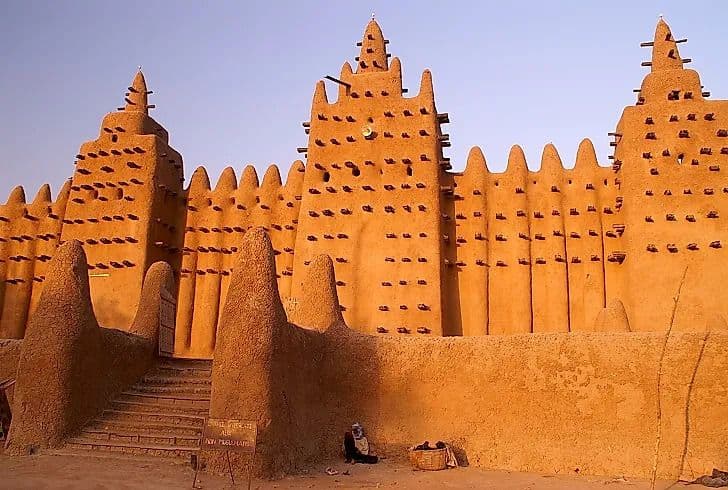
Few names evoke the golden age of African Islamic scholarship like Timbuktu. During the 15th and 16th centuries, this legendary city became a beacon of knowledge in the Muslim world. At the heart of its intellectual life stood the famous Sankore Madrasah, where thousands of students studied theology, mathematics, astronomy, and law. Scholars from across North Africa and the Middle East traveled through the Sahara to debate ideas and copy manuscripts. Today, Timbuktu’s ancient libraries and mud-brick mosques remain enduring reminders that Africa was once one of the world’s great centers of learning.
Harar, Ethiopia
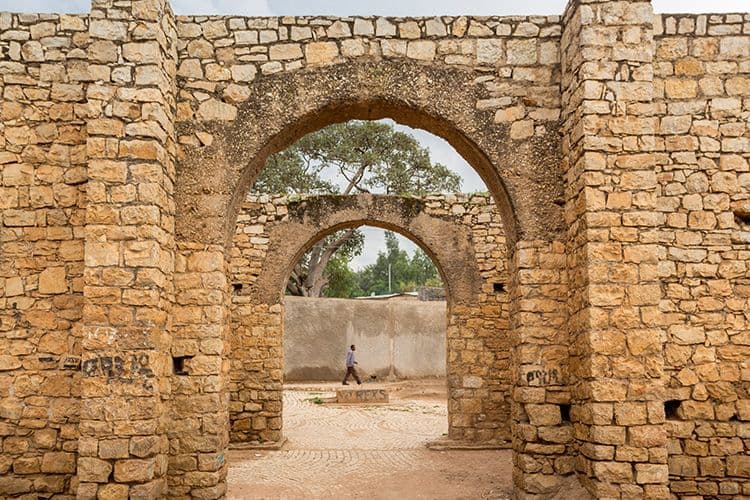
Deep in the eastern highlands lies Harar, often referred to as the “City of Saints.” With more than eighty mosques and over a hundred shrines within its historic walls, Harar has long been a spiritual heartland for Muslims in the Horn of Africa. The city flourished as a crossroads of trade linking Africa, Arabia, and Asia. Its narrow alleyways, colorful markets, and centuries-old mosques reflect a unique blend of African and Islamic culture. Recognized as a UNESCO World Heritage site, Harar continues to celebrate its heritage through festivals, scholarship, and vibrant community life.
Zanzibar, Tanzania
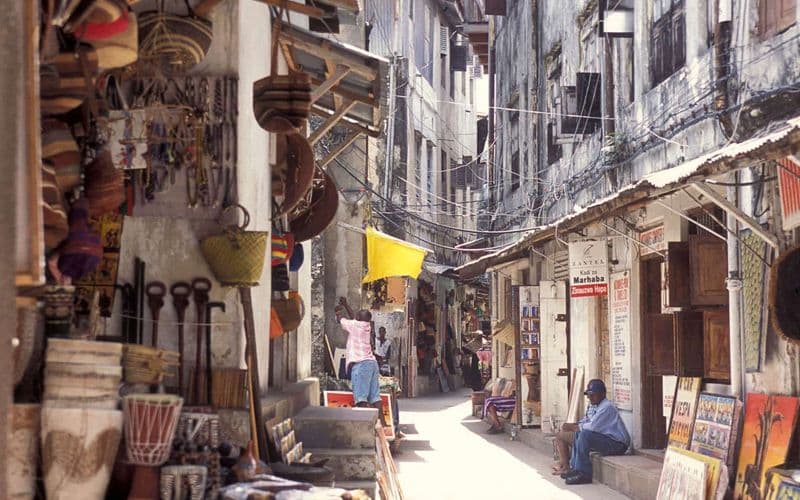
On the sparkling shores of the Indian Ocean lies Zanzibar, a place where Islam spread through centuries of maritime trade. Arab, Persian, and African influences merged here to create a distinctive Swahili Islamic culture. Mosques and madrassas dotted the island as merchants and scholars arrived from across the ocean. The historic district of Stone Town still preserves this legacy, with its coral-stone buildings, carved doors, and centuries-old mosques that echo with the call to prayer.
Kairouan, Tunisia
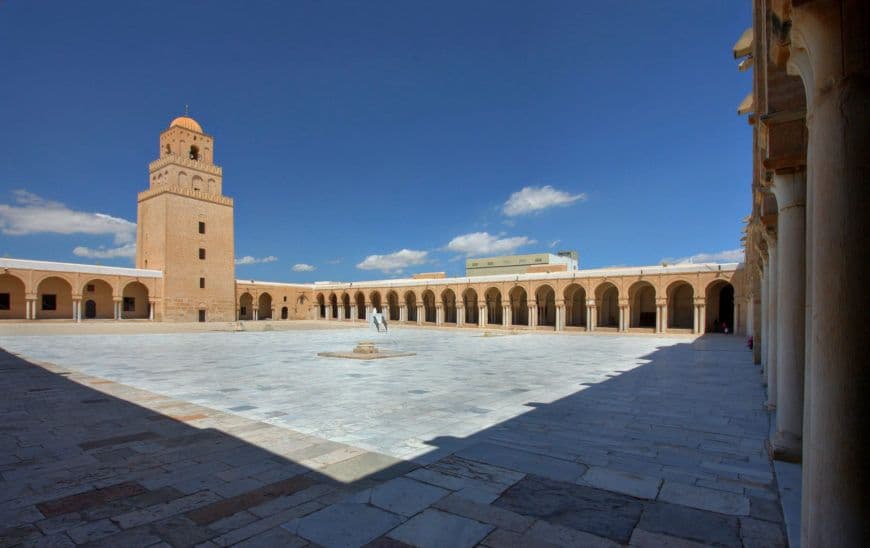
In North Africa, few cities hold as much religious significance as Kairouan. Founded in the 7th century, it became one of the earliest centers of Islamic civilization on the continent. The magnificent Great Mosque of Kairouan stands as one of the oldest and most influential mosques in the Muslim world. For centuries, scholars gathered here to teach Islamic jurisprudence and theology, helping spread Islamic scholarship across North and West Africa.
These historic centers illustrate how Africa played a central role in the intellectual and spiritual development of the Islamic world. Their mosques, libraries, and cultural traditions continue to inspire new generations, reminding us that the continent’s past is rich with stories of knowledge, faith, and global connection.