Whispers of the Ancients: Unlocking the Mystery of Gambia’s Wassu Stone Circles
Jun 7, 2026
Save
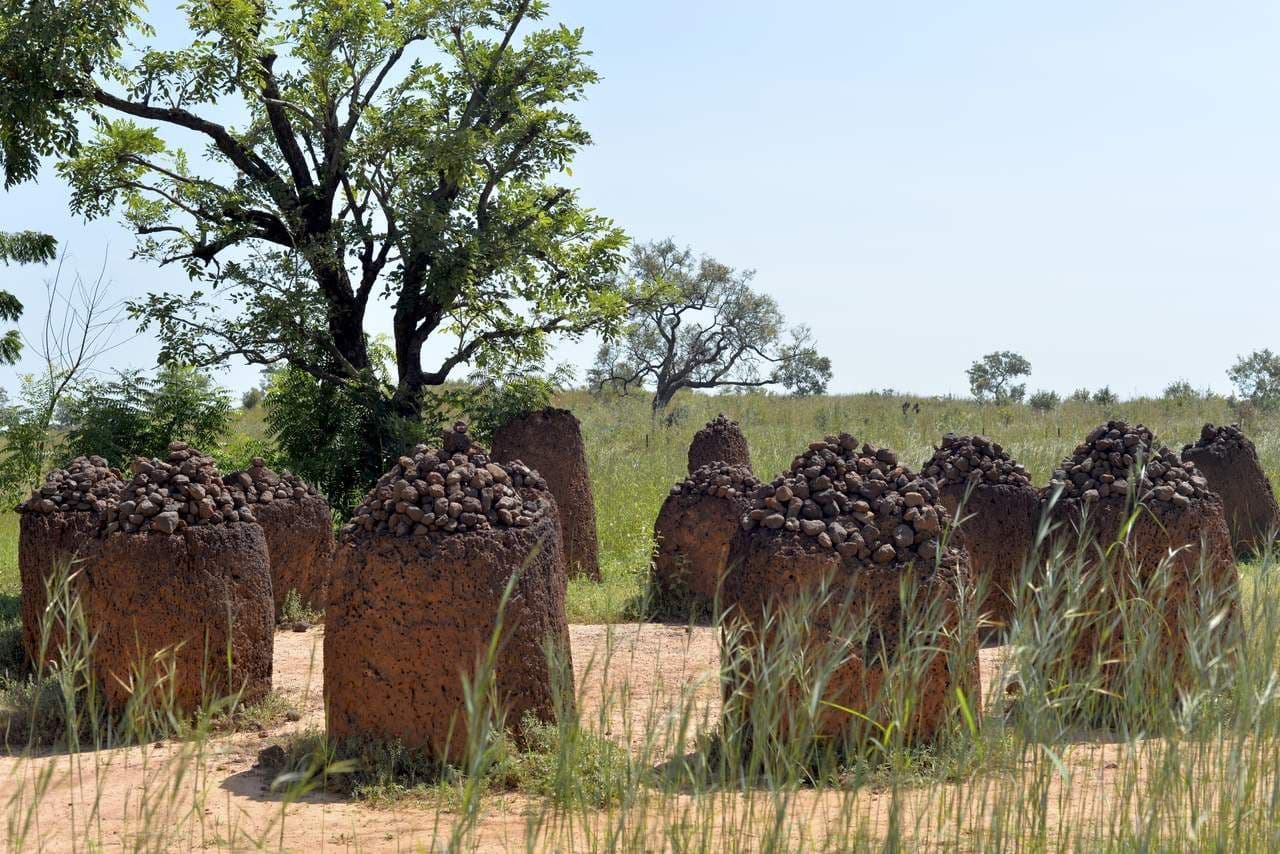
Deep within the emerald landscape of the Gambian interior, far from the crashing Atlantic surf and the bustling open-air markets of the coast, the earth holds a ancient secret. Here, where the soil glows a rich, iron-red laterite, stands Africa’s majestic answer to Stonehenge: The Stone Circles of Wassu.
Silently watching the passage of millennia, these monolithic formations are far more than just rocks in a field. They represent a breathtaking architectural puzzle, a sacred burial ground, and a profound testament to an advanced, ancient African civilization whose full story is still waiting to be told.
Recommended News
Stone Town, Zanzibar: Where Africa Meets the World
Great Zimbabwe Stone City That Tells Africa’s Story
Gorée Island: Where Memory Meets the Sea
Ambohimanga: The Blue Hill Where Madagascar's Past Still Breathes
Moroccan Airports Extend Growth Streak With 22.2 million Passengers Through July 2026
The Architecture of Giants
To walk among the circles of #Wassu is to step directly into a prehistoric sanctuary. Scattered across the landscape are dozens of perfectly formed concentric circles crafted from massive stone pillars. Each pillar is a masterclass in ancient engineering. Sheared cleanly from nearby laterite quarries without the aid of modern machinery, these stones stand as flawlessly smooth, cylindrical or four-sided columns.
Some of these pillars tower nearly eight feet tall, while others weigh a staggering seven tons!
How an ancient society, operating between the 3rd century BC and the 16th century AD, quarried these colossal monoliths, transported them across miles of rugged terrain, and erected them in absolute geometric symmetry remains one of UNESCO’s and global archaeology’s greatest unsolved mysteries.
A Sacred Nexus of Life and Stars
For centuries, the local Wolof and Mandinka communities have looked upon these stones with deep reverence. Early archaeological excavations revealed that Wassu was a massive, highly revered burial ground for the elite, fierce warriors, and spiritual leaders of a forgotten empire. The dead were laid to rest with rich grave goods, fine pottery, and iron weapons—guarded for eternity by these heavy rings of stone.
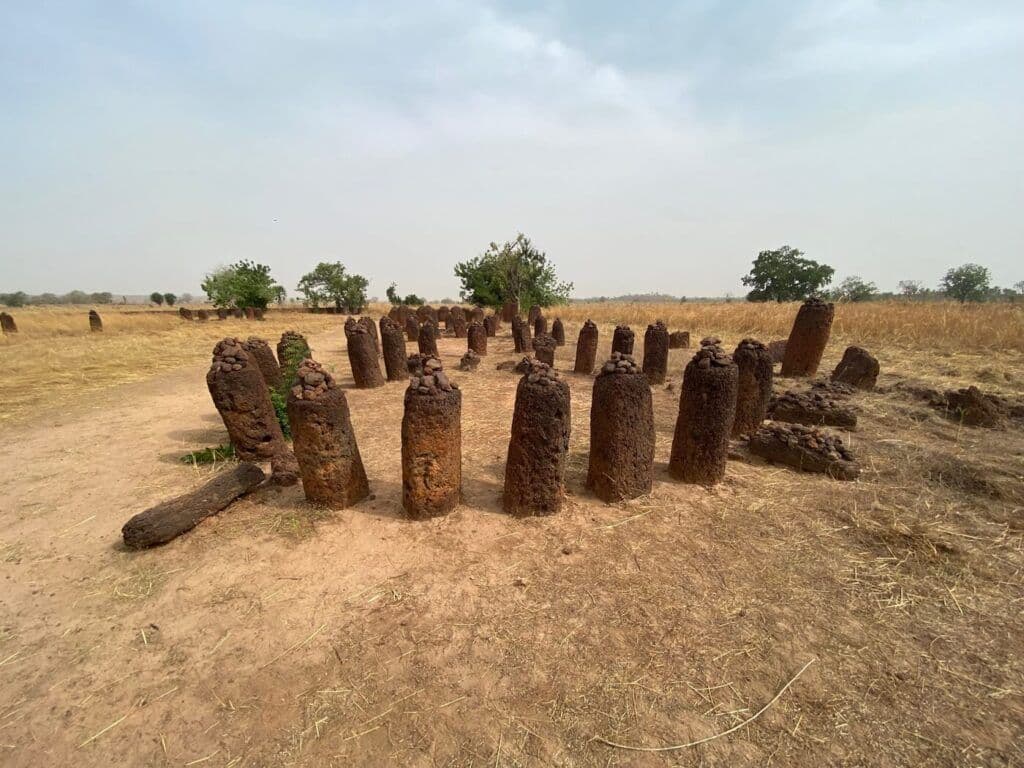
But the wonder goes even deeper. Many historians and archaeo-astronomers believe the circles served a dual purpose as an ancient celestial calendar. When the sun rises over the Gambian savannah, the shadows cast by the pillars align with striking astronomical precision. This proves that these ancient builders possessed a highly sophisticated understanding of the stars, the solstices, and the rhythmic cosmic cycles of the seasons.
Nature’s Crimson Crown
What makes Wassu truly spectacular to witness in person is its striking aesthetic brilliance. Unlike the gray, somber granites of European megaliths, the unique laterite stones of The Gambia possess a rich, deep-crimson and ochre hue.
At sunrise and sunset, the pillars literally seem to catch fire, glowing with an otherworldly warmth against the vibrant green of the surrounding grasses and the deep blue of the West African sky. It is a visual masterpiece where human ingenuity and natural geology exist in absolute, breathless harmony.
Why the World Must Listen to the Stones
Recognized as a UNESCO World Heritage site, the Senegambian Stone Circles—of which Wassu is the undisputed crown jewel—represent the largest concentration of megalithic complexes found anywhere on Earth. Yet, they remain one of the travel world’s best-kept secrets.
Wassu stands as a proud, undeniable monument to Africa’s deep history of mathematical precision, organized labor, and grand architectural ambition. They remind every traveler who stands in their shadow that long before modern borders were drawn, this land was home to visionaries, astronomers, and master builders.
If you ever find yourself exploring "The Smiling Coast," journey inland. Stand among the crimson pillars of Wassu, listen to the whispering wind rustling through the savannah, and feel the undeniable, powerful heartbeat of Africa's ancient past.
#PulsesofAfrica #POA #WassuStoneCircles #DiscoverGambia #AfricanHistory #UNESCOWorldHeritage #ExploreWestAfrica #AfricanHeritage