Stone Town, Zanzibar: Where Africa Meets the World
Oct 24, 2026
Save
By Mesai M.
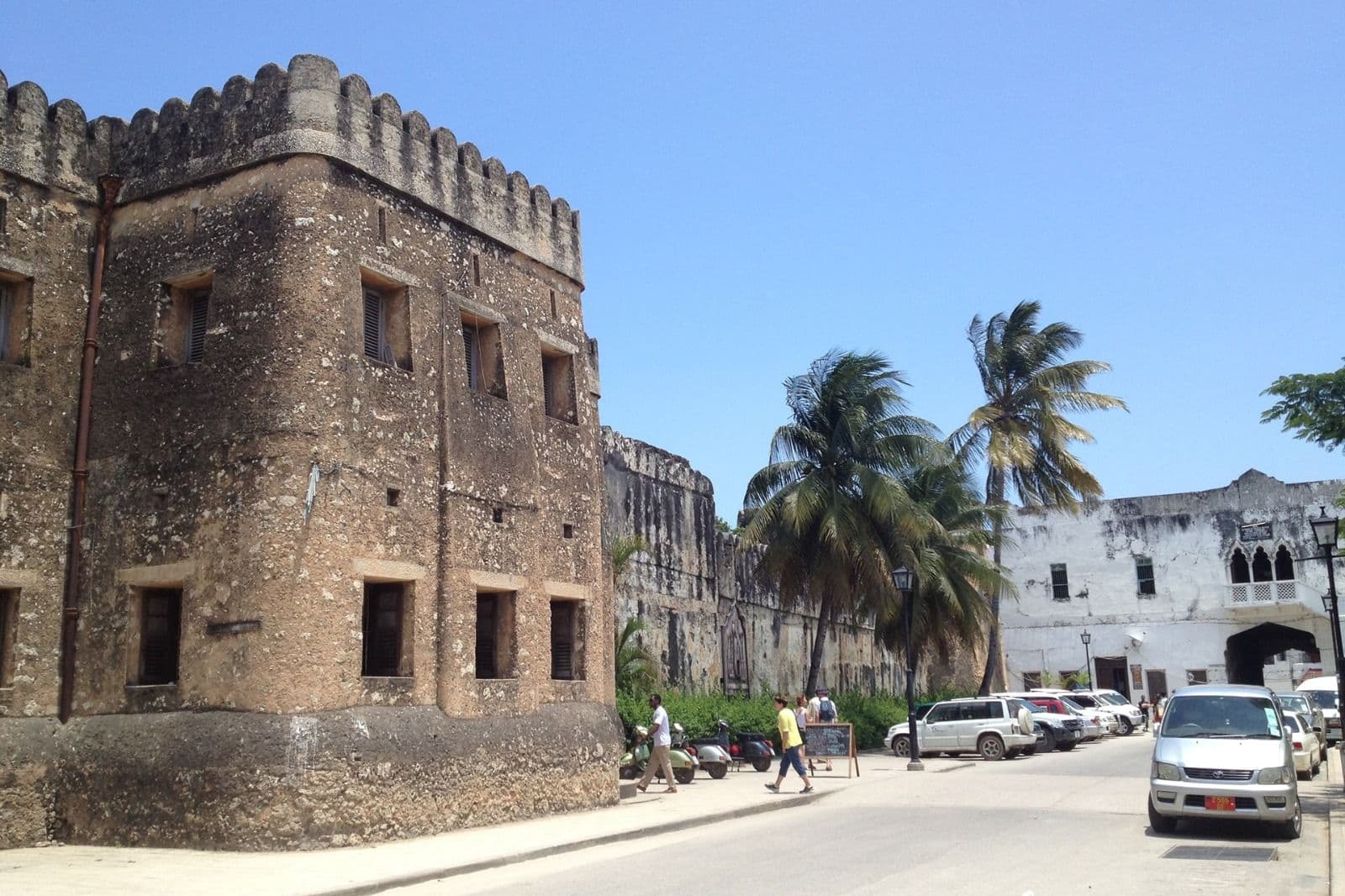
On the sun-kissed shores of the Indian Ocean, Stone Town of Zanzibar stands as a living museum of history, culture, and human connection. With its winding alleys, carved wooden doors, bustling spice markets, and centuries-old buildings, this historic town tells a remarkable story of how Africa has long connected with the wider world.
Recommended News
Great Zimbabwe Stone City That Tells Africa’s Story
Gorée Island: Where Memory Meets the Sea
Ambohimanga: The Blue Hill Where Madagascar's Past Still Breathes
Moroccan Airports Extend Growth Streak With 22.2 million Passengers Through July 2026
Africa’s Travel Industry: A Vast Opportunity Waiting to Be Unlocked
Located on Unguja, Zanzibar’s main island in Tanzania, Stone Town flourished as a major trading center linking the African mainland with Arabia, Persia, India, and other parts of the Indian Ocean world. These centuries of interaction shaped its distinctive character, blending Swahili traditions with Arab, Persian, Indian, and European influences. In 2000, UNESCO recognized Stone Town as a World Heritage Site for its outstanding cultural and architectural significance.
One of its most captivating features is its intricately carved wooden doors. Adorned with geometric patterns, brass studs, and elaborate designs, these doors are more than beautiful entrances; they reflect the artistic traditions, social status, and cultural influences of the families who built them. Every narrow street seems to offer another glimpse into the island’s extraordinary past.
The town’s vibrant markets bring that heritage to life. The fragrance of cloves, cinnamon, cardamom, and other spices fills the air, reminding visitors why Zanzibar is famously known as the Spice Island. Nearby, the waterfront offers spectacular Indian Ocean sunsets, while the sounds of Swahili conversations, traditional taarab music, and daily market life create an atmosphere that is both timeless and welcoming.
Yet Stone Town’s beauty also carries a deeper story. Its history includes the painful legacy of the East African slave trade, whose victims were transported through Zanzibar to destinations across the Indian Ocean and beyond. Sites such as the former slave market and the Anglican Cathedral preserve memories of this dark chapter, reminding visitors that cultural heritage must also serve as a place of remembrance and learning.
Today, Stone Town represents something greater than its historic buildings. It is a testament to Africa’s long-standing role in global commerce, cultural exchange, and civilization. Its Swahili heritage demonstrates that African societies were not isolated from the world but actively shaped the networks that connected continents.
Stone Town is where history walks beside you, spices tell stories, and every carved doorway opens a window into the past. For the curious traveler, it offers more than a beautiful destination: it is an invitation to discover the richness of African heritage, celebrate cultural diversity, and reflect on the shared history of humanity.