Feb 20, 2026
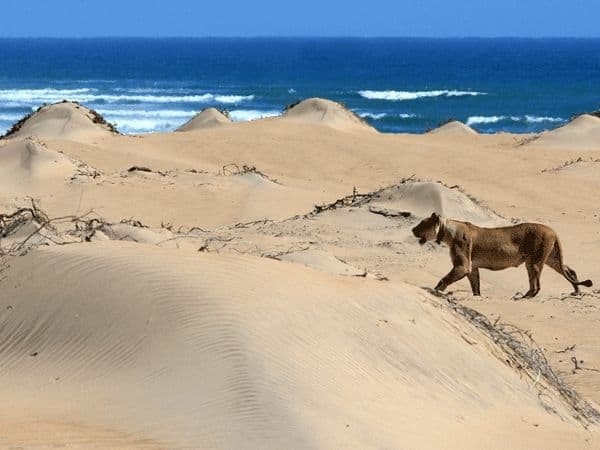
The Skeleton Coast, in northwestern Namibia, presents a unique landscape where the desert meets the Atlantic Ocean in a harsh environment.
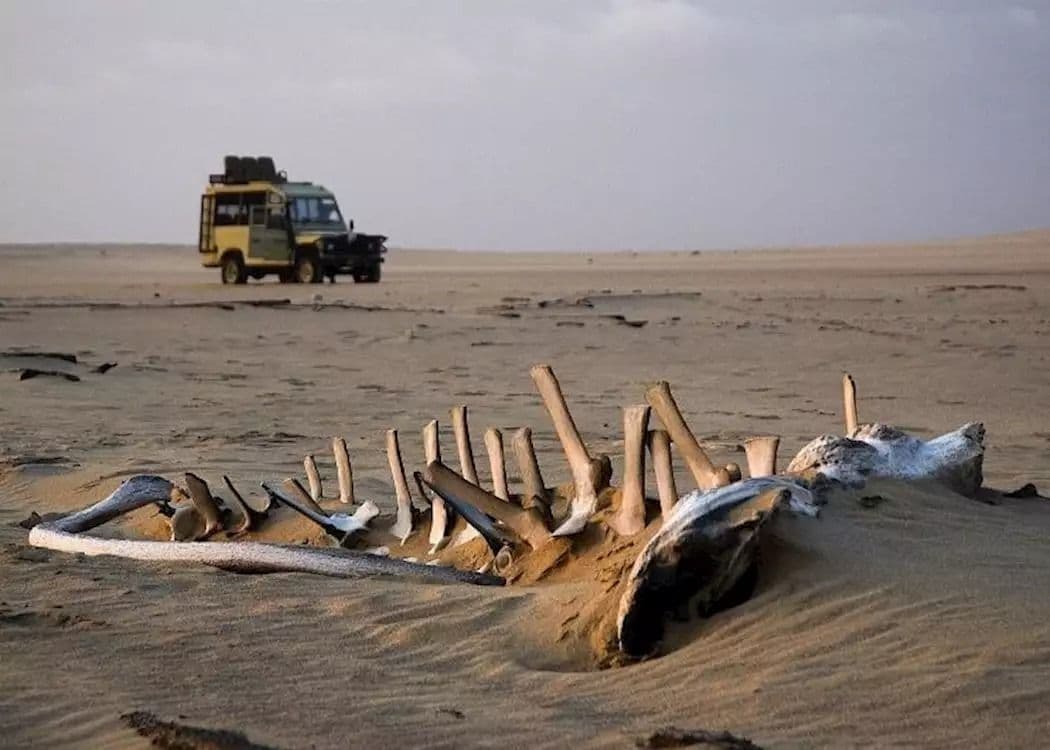
The combination of shifting dunes, cold currents, and persistent fog makes this coastal strip one of the most inhospitable territories in Africa. Its name comes from the abundance of shipwrecks and whale and seal bones, remnants of shipwrecks and the intense whaling activity that characterized the area in centuries past.
Many of these remains are half-buried in the sand, a stark reminder of the difficulty of navigating these waters.
The area, stretching over 500 kilometers, is part of a restricted-access national park. Much of the territory can only be visited with special permits, protecting both the wildlife and the region's fragile ecosystems. Despite the extreme conditions, the coast is home to a surprising diversity of species. Seals, sea lions, hyenas, and shorebirds coexist with desert-adapted mammals that make the most of the scarce resources available.
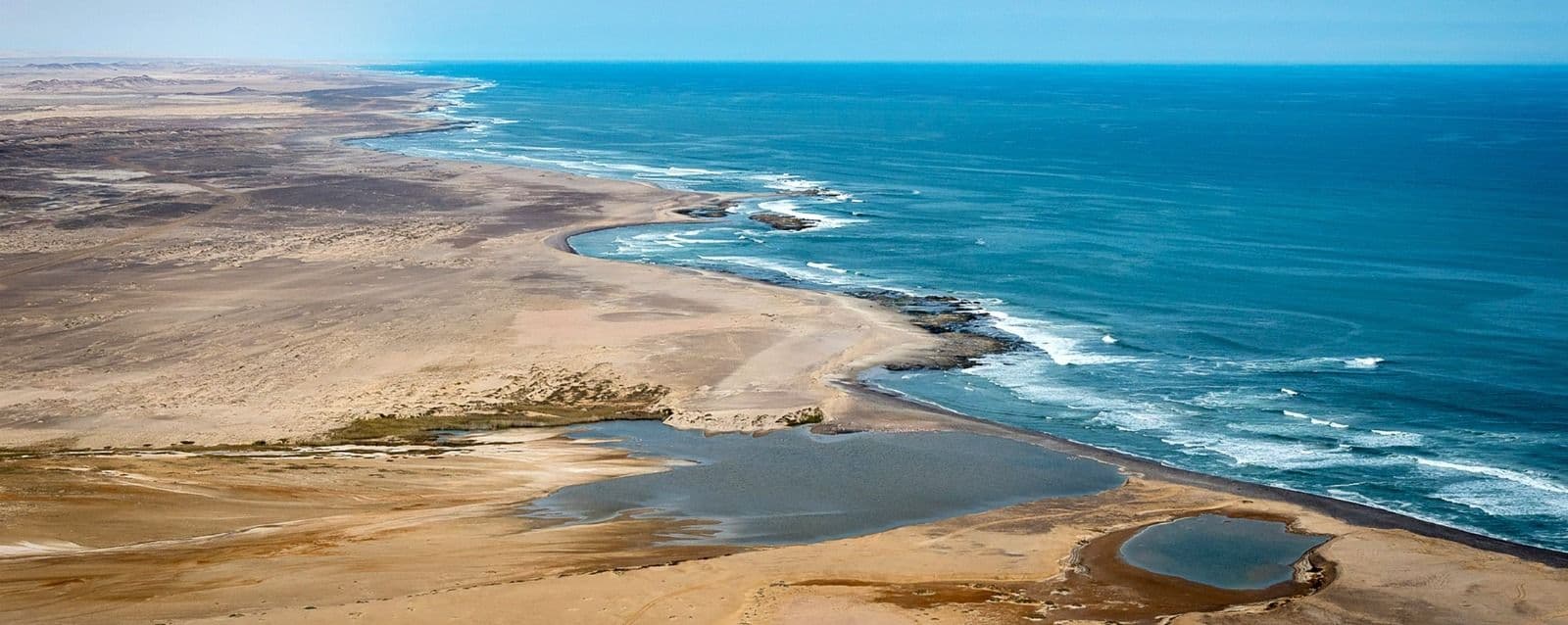
The coastline presents a high-risk environment for navigation, where limited visibility and constant currents make any maritime approach difficult. However, these same challenges enhance its appeal for those seeking extreme experiences and total isolation. The Skeleton Coast remains a destination reserved for adventurers and experts, who find in its desolate landscapes a combination of beauty and challenge that few places in the world can offer.